新闻
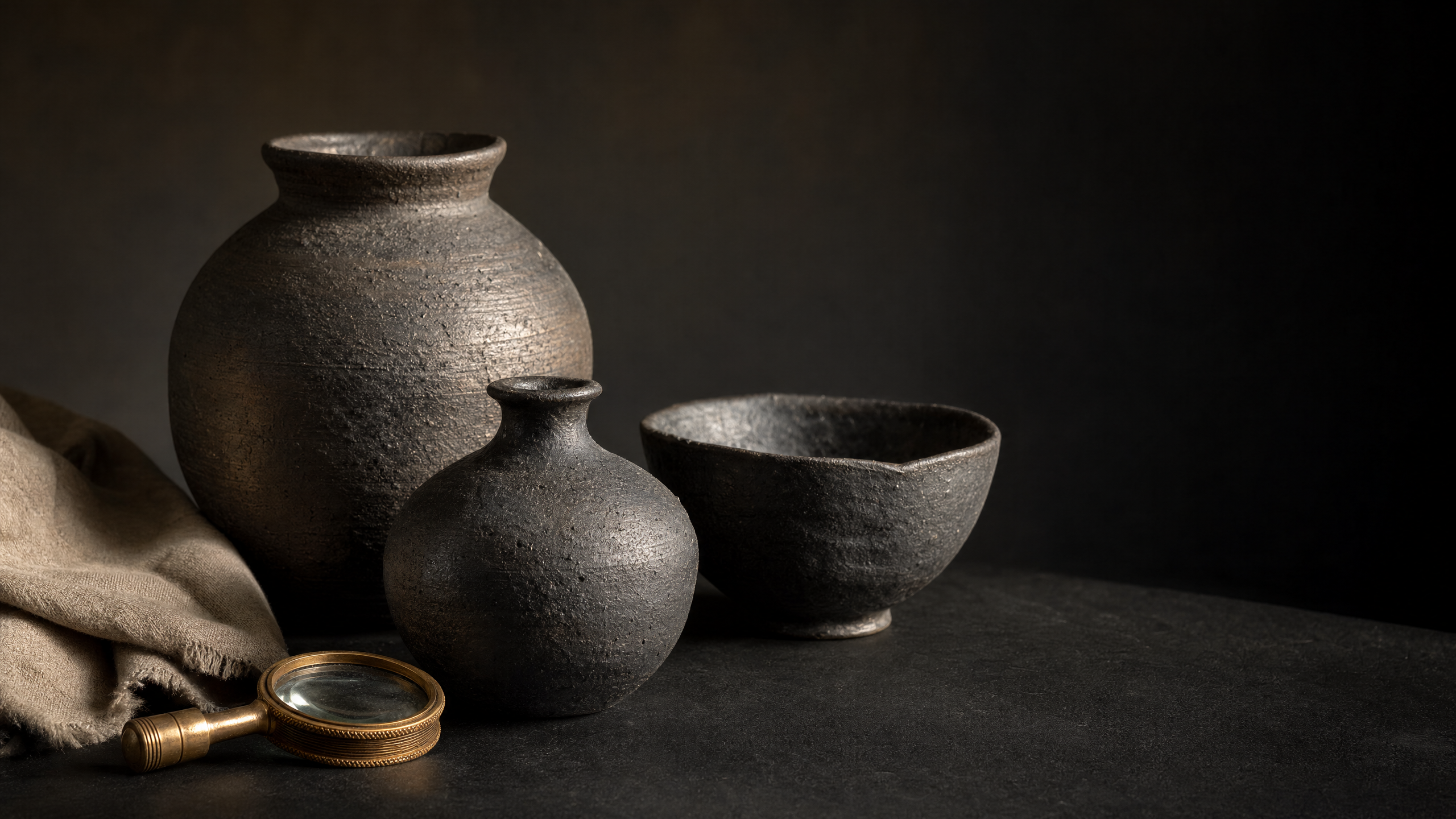
Reading the Clay: How to Identify Authentic Suzu-yaki
A collector’s guide to recognizing authentic Suzu-yaki through iron-rich clay, reduction firing, natural ash effects, texture, forming marks, and provenance.
阅读更多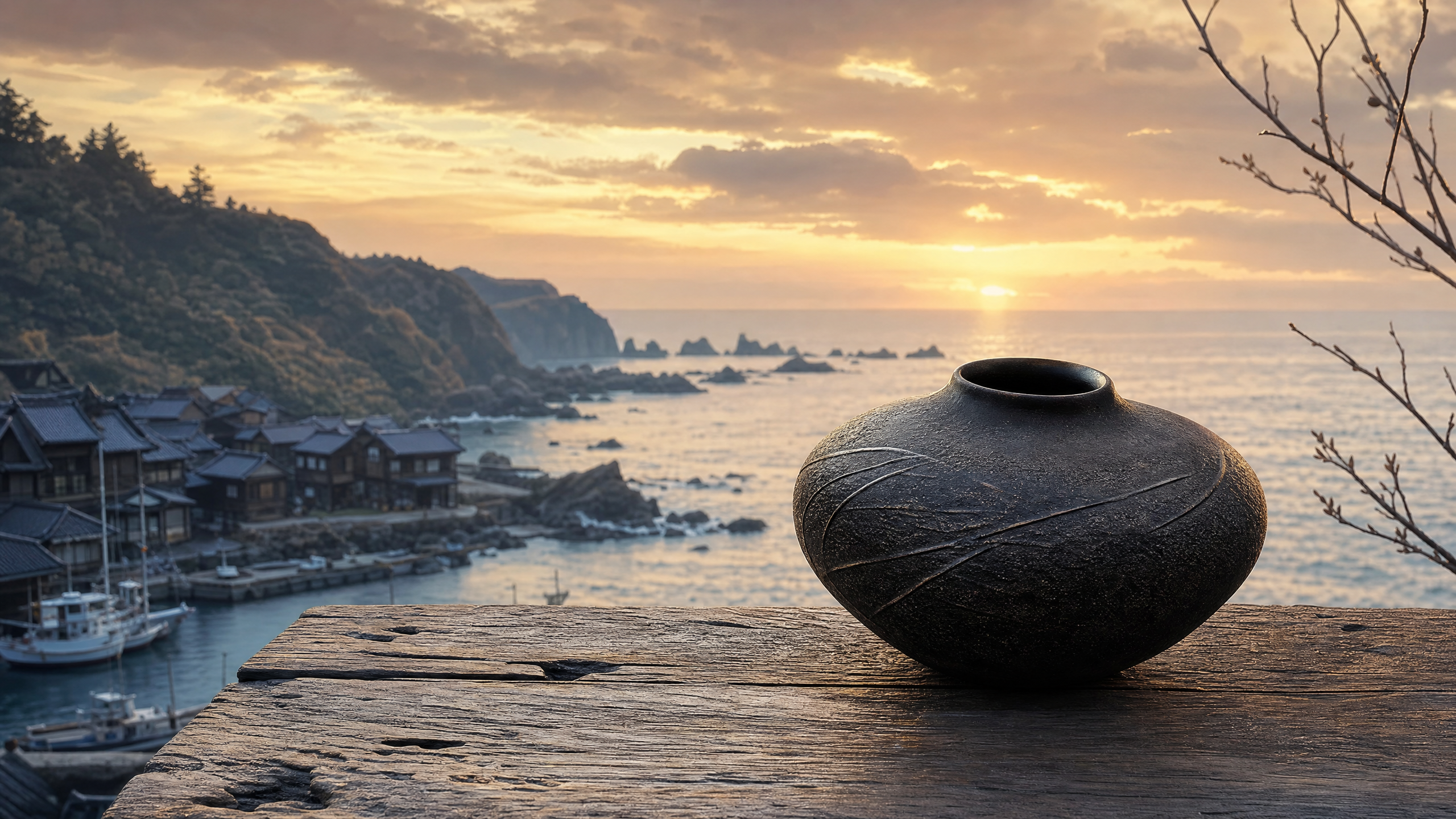
Visiting Suzu City: A Pilgrimage for Pottery Lovers
A refined travel guide to Suzu City, the Noto Peninsula birthplace of Suzu-yaki, with museum notes, kiln history, coastal craft culture, and respectful travel guidance.
阅读更多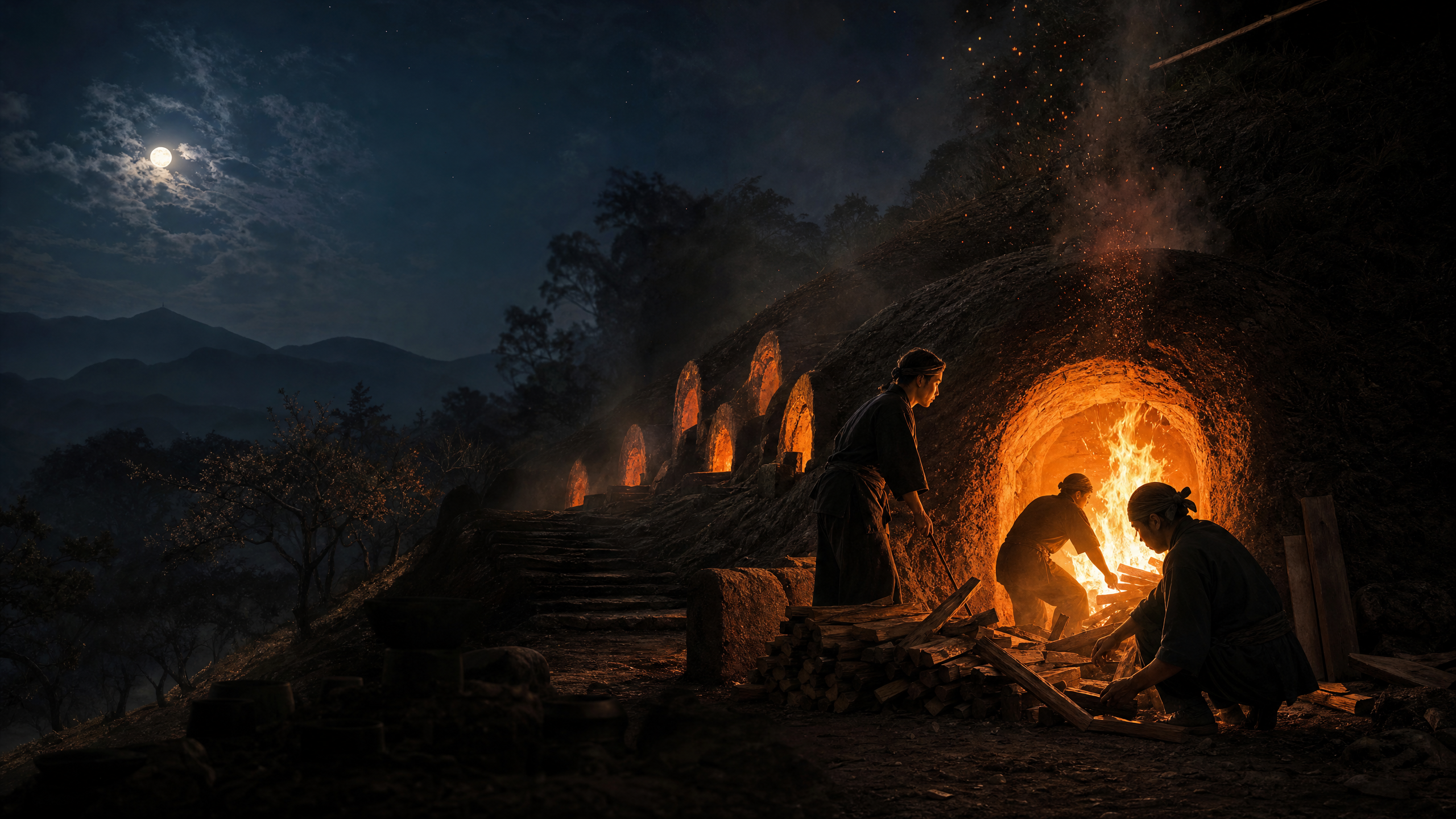
The Firing: Inside a 72-Hour Anagama Kiln Session
A refined journey into the 72-hour anagama kiln firing that gives Suzu-yaki its blackened depth, natural ash sheen, and enduring character.
阅读更多
From Earth to Art: How Suzu-yaki Clay Is Sourced and Prepared
The earth beneath Suzu City holds a secret. Located at the northeastern tip of the Noto Peninsula, this rugged landscape is the birthplace of Suzu-yaki (珠洲焼), a centuries-old unglaze...
阅读更多
Profiles of Contemporary Suzu-yaki Masters
Meet the visionary potters who have dedicated their lives to reviving and evolving Suzu-yaki, the ancient black stoneware of Japan's Noto Peninsula. From the pioneering Onodera Gen to the resilient...
阅读更多
当我们手捧一件珠洲烧瓷器时,我们不仅仅是触摸一件现代日本的工艺品。我们触摸的是与千年历史相连的实物,它跨越海洋,连接文化。要真正理解珠洲烧深邃而内敛的美,我们必须追溯到它的古老祖先:须惠器(須恵器,sueki),一种诞生于朝鲜半岛的革命性陶瓷传统。 渡来人的到来 5世纪之前,日本陶器主要由土师器(Haji ware)组成——这是一种多孔、泛红的陶器,在露天篝火中以相对较低的温度烧制。虽然功...
阅读更多
2024年1月1日,能登半岛下的大地以毁灭性的力量震颤。这场7.6级地震给石川县带来了难以想象的破坏,流离失所的家庭,夷为平地的历史建筑,以及该地区文化遗产的根基都遭受了重创。其中受灾的包括珠洲市的窑炉——古老而备受推崇的珠洲烧的诞生地。 对于一项曾在消失400年后于1970年代奇迹般复兴的工艺而言,这场灾难构成了生存威胁。当地22座窑炉无一幸免。然而,从瓦砾和灰烬中,一个关于韧性的深刻...
阅读更多

近五个世纪以来,珠洲烧(Suzu-yaki)深沉而雅致的器皿不过是个“鬼故事”——历史学家口中流传的神秘陶器,偶尔在能登半岛各地以散落的、灰黑色碎片形式被瞥见。珠洲烧曾是中世纪日本陶瓷的主导力量,却在15世纪末神秘消失。一群充满热情的社群和富有远见的先行工匠,将这项古老工艺从灰烬中拯救回来。这是一个关于1976年珠洲烧复兴的非凡故事。 发现幽灵窑 复兴珠洲烧的旅程...
阅读更多