新闻
Jinkō: The Sacred Aloeswood at the Heart of Japanese Incense
Before Japanese incense is a fragrance, it is a material. A small, dark piece of jinkō (沈香)—agarwood or aloeswood—can hold years of slow change within its grain. In the context of kōdō (香道), the...
阅读更多Noto's Satoyama and Satoumi: A Globally Important Agricultural Heritage Landscape
On the Noto Peninsula, the boundary between land and sea is less a dividing line than a conversation. Forested slopes give way to small fields and irrigation ponds; terraces descend toward the S...
阅读更多Kintsugi and Wabi-Sabi: Finding Beauty in Breakage
When a cherished bowl breaks, the usual instinct is to hide the damage or replace the object. Kintsugi proposes another possibility. Instead of pretending that the break never happened, it makes...
阅读更多Wajima Lacquerware: The Other Masterpiece of the Noto Peninsula
Explore Wajima lacquerware, the Noto Peninsula’s luminous counterpart to Suzu-yaki, and learn how jinoko, lacquer, wood, maki-e, and chinkin create one of Japan’s most durable craft traditions.
阅读更多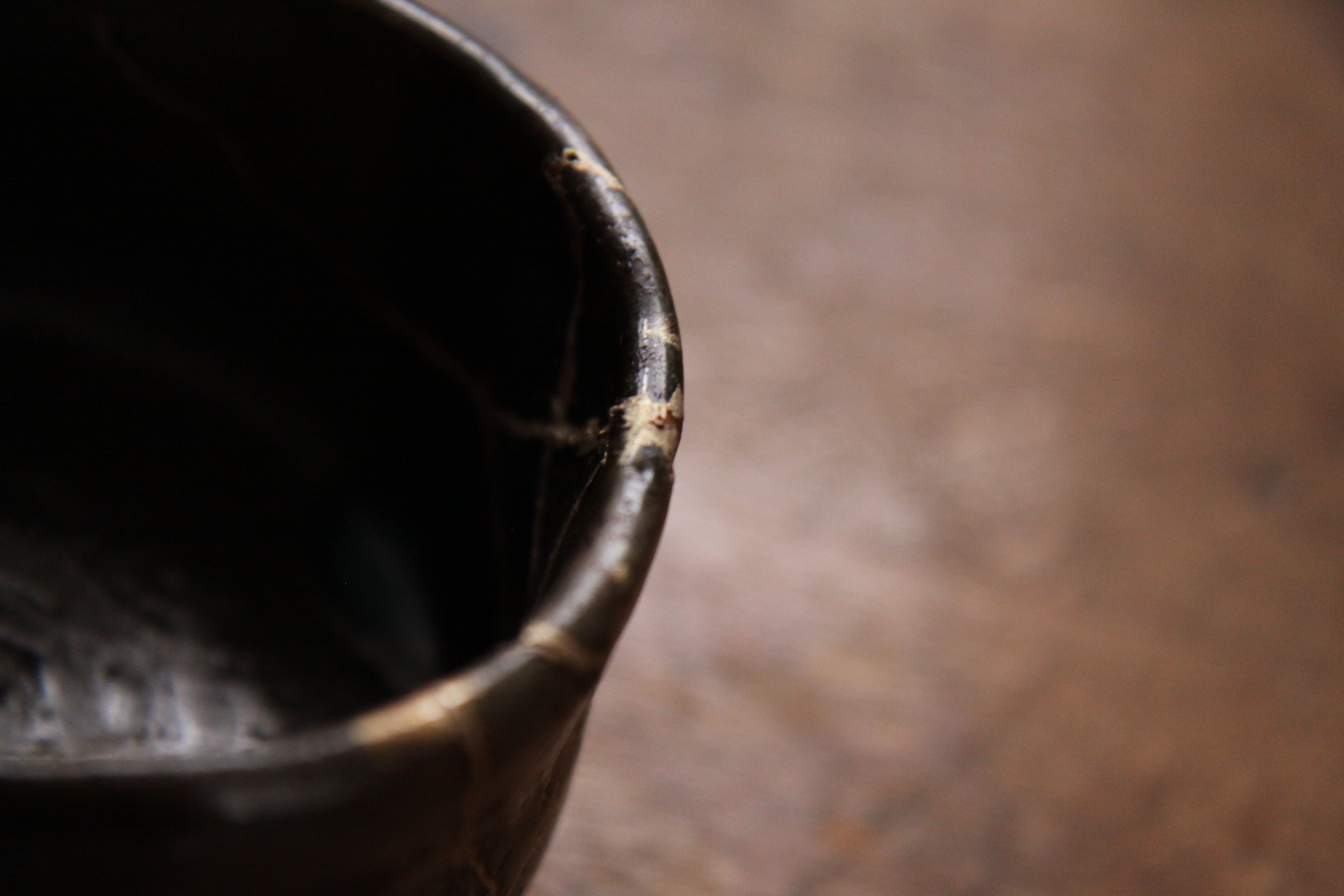
Kintsugi: The Art of Repairing with Gold
Discover kintsugi, the Japanese art of repairing ceramics with lacquer and gold, and its connection to wabi-sabi, tea culture, and Suzu-yaki.
阅读更多
Japan's Craft Renaissance: Why Handmade Is Having a Moment
Explore why handmade Japanese craft is resonating again in a digital age, and how Suzu-yaki embodies the values of touch, time, place, and quiet luxury.
阅读更多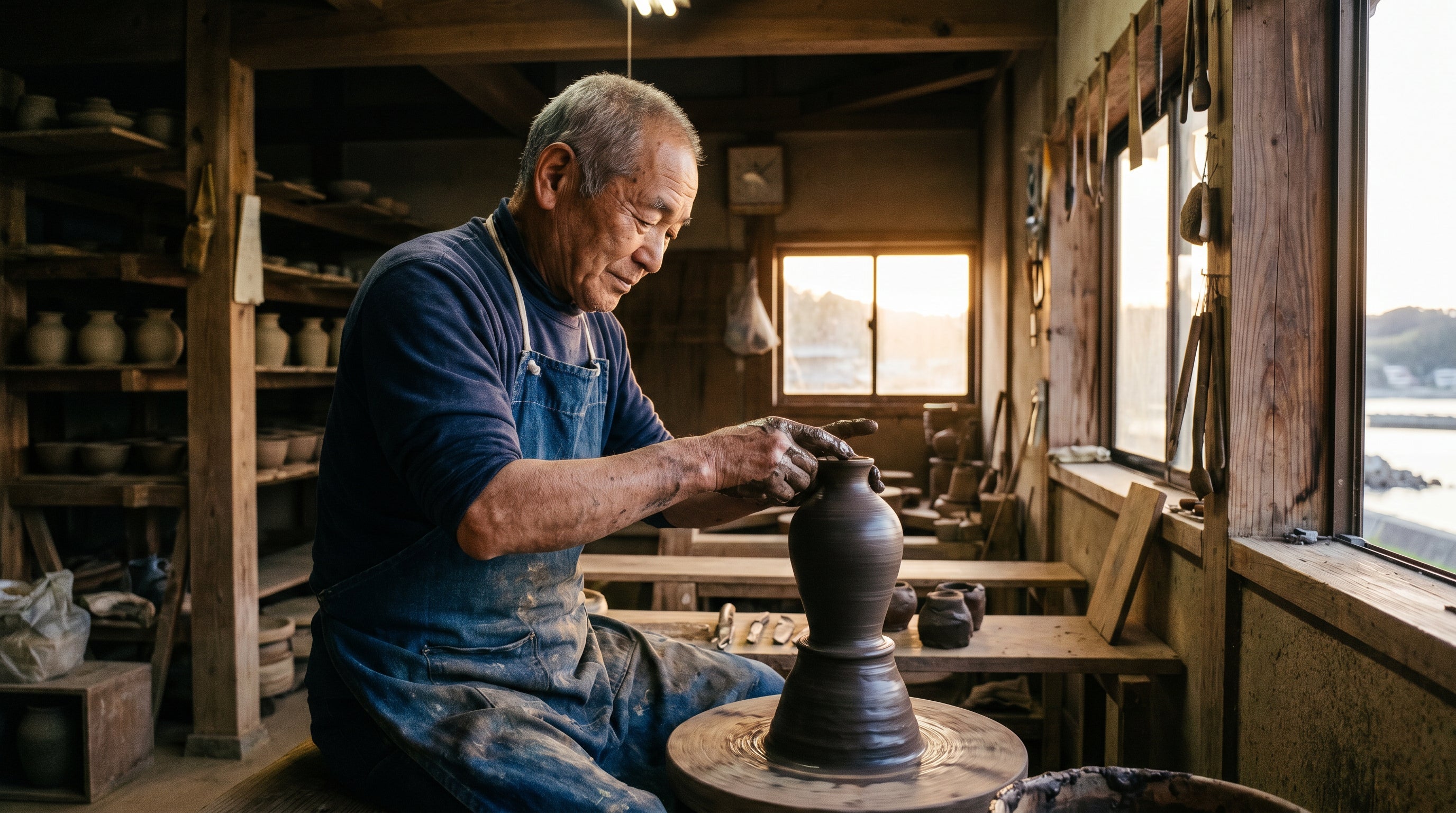
Profiles of Contemporary Suzu-yaki Masters
Meet the visionary potters who have dedicated their lives to reviving and evolving Suzu-yaki, the ancient black stoneware of Japan's Noto Peninsula. From the pioneering Onodera Gen to the resilient...
阅读更多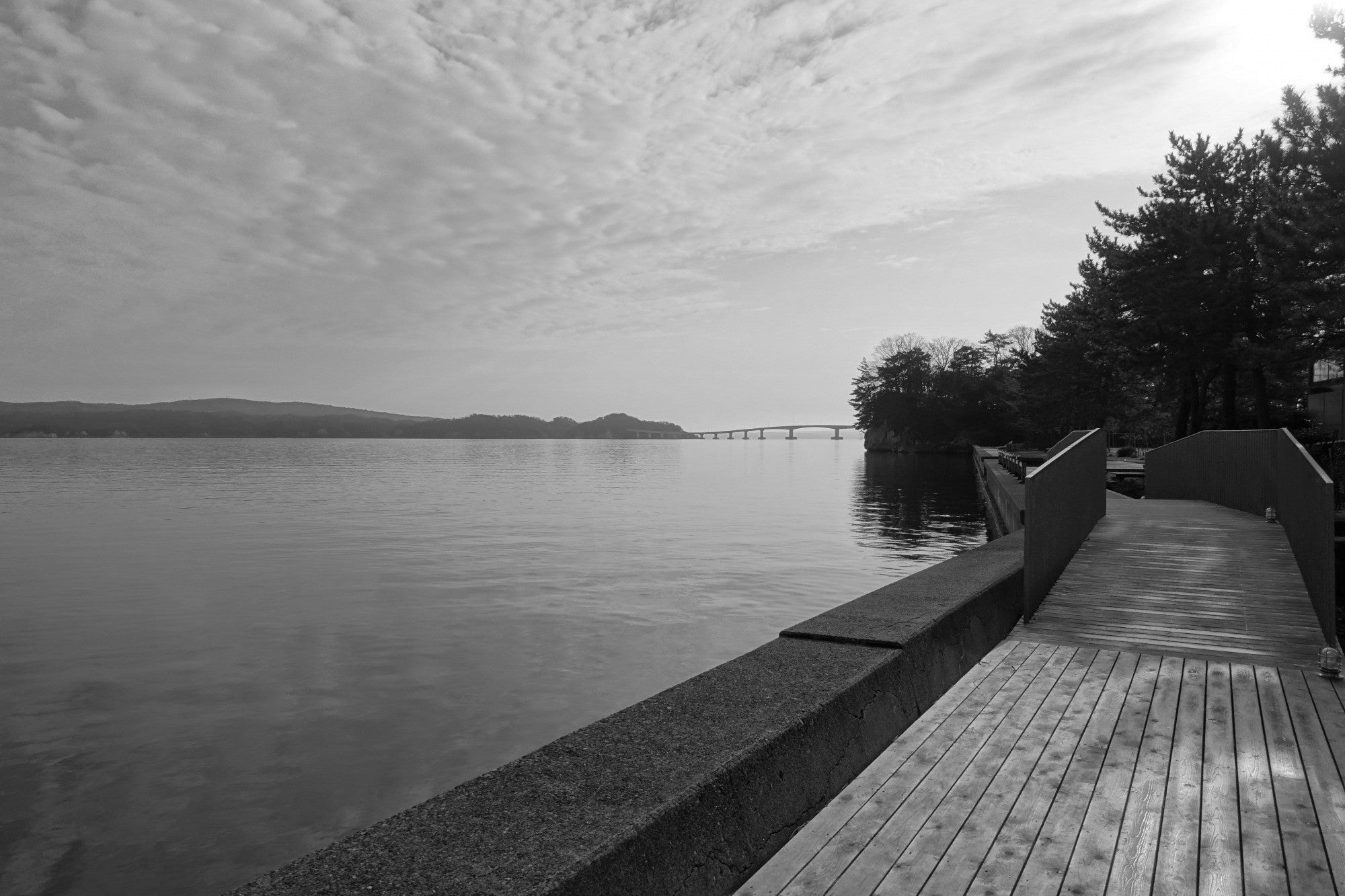
2024年1月1日,能登半岛下的大地以毁灭性的力量震颤。这场7.6级地震给石川县带来了难以想象的破坏,流离失所的家庭,夷为平地的历史建筑,以及该地区文化遗产的根基都遭受了重创。其中受灾的包括珠洲市的窑炉——古老而备受推崇的珠洲烧的诞生地。 对于一项曾在消失400年后于1970年代奇迹般复兴的工艺而言,这场灾难构成了生存威胁。当地22座窑炉无一幸免。然而,从瓦砾和灰烬中,一个关于韧性的深刻...
阅读更多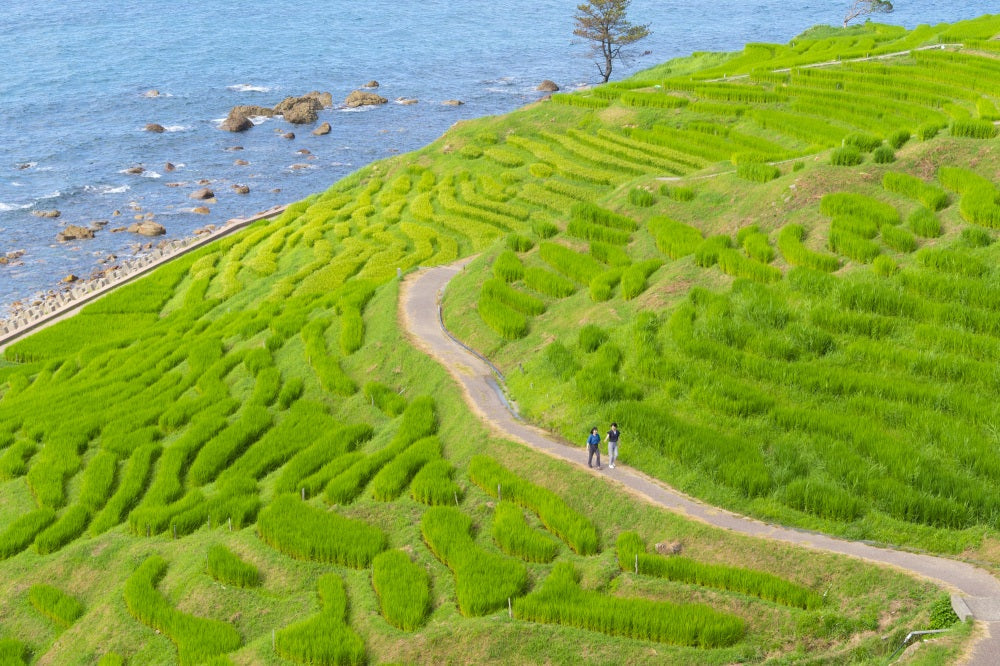

对我们许多人来说,早晨的一杯咖啡不仅仅是咖啡因的传输系统,它更是一种仪式。它是世界苏醒前宁静的一刻,是日常需求开始前短暂的停歇。但你是否曾想过你用来饮用的器皿如何塑造了这种体验? 虽然瓷器和玻璃有它们的用武之地,但当你用双手捧着一件真正的日本石器时,会有一种深刻的不同。今天,我们将探讨为什么珠洲烧(Suzu-yaki)——这种来自能登半岛的古老无釉黑陶——可能是你早晨咖啡的完美伴侣。 味...
阅读更多