Kintsugi and Sustainability: A Repair Tradition Beyond Throwaway Culture
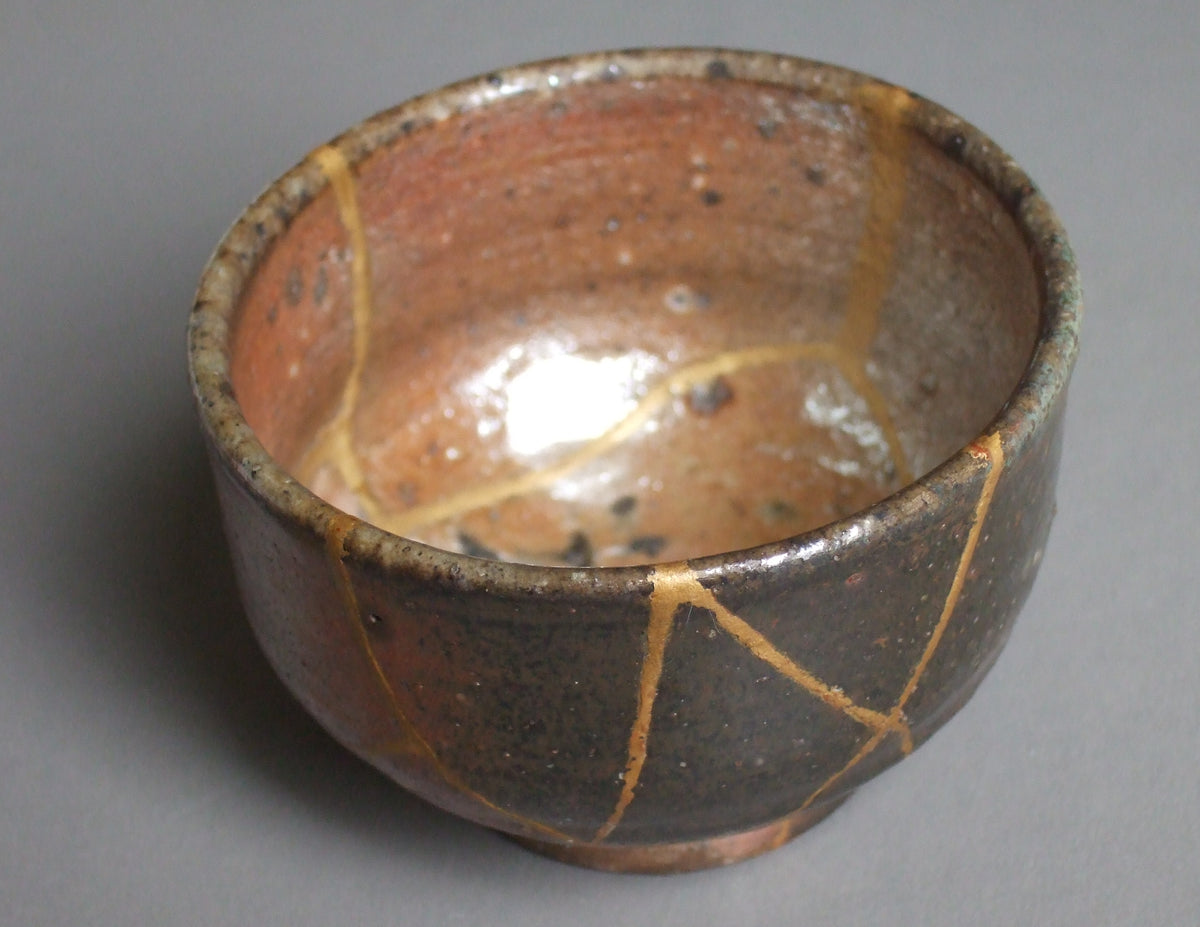
Kintsugi and sustainability meet at a simple, practical question: when a useful ceramic object breaks, must its life end there? Kintsugi (金継ぎ) is a Japanese repair practice that makes a break visible rather than hiding it. In a contemporary conversation about waste, it offers a compelling example of care and continued use—but it is not a complete answer to throwaway culture, nor was it created as a modern environmental policy.
That distinction matters. It lets us appreciate the craft on its own terms while drawing a modest lesson for the present: repair can be a meaningful choice when an object has a future worth making room for.

A Repair, Not a Metaphor First
Kintsugi is often translated as “golden joinery,” but the material process is more precise than that phrase suggests. In traditional work, urushi—a lacquer made from tree sap—joins and repairs the ceramic. Powdered gold is often applied over the lacquer to highlight the seam; it is not the adhesive itself.[1] Silver, coloured lacquer, and other finishes can also appear in repair work.[2]
That visibility changes the language of repair. Instead of pretending the fracture never happened, the join becomes part of an object’s continuing material story. It is still a skilled intervention, not an invitation to break things for effect. Each repair asks practical questions first: are all fragments present, is the form structurally workable, and what will the vessel be used for afterwards?
Its exact origin is uncertain. The Smithsonian notes that lacquer repair is far older in Asia and that gold decoration of lacquer repairs developed in Japan over several centuries, becoming more widespread in connection with tea practice by the late sixteenth century.[1] That history is more interesting than a tidy invention story: it keeps our attention on skilled materials, tea culture, and the patient work of preserving an object.
It also prevents a common mistake. Kintsugi can be discussed alongside wabi-sabi, but the two are not synonyms. Read Kintsugi and Wabi-Sabi: Finding Beauty in Breakage for that aesthetic context, and Kintsugi: The Art of Repairing with Gold for an earlier introduction to the repair tradition.
What Repair Contributes to Sustainability
Today, “circular economy” describes a systems-level effort to keep products and materials in use longer, prevent waste, and reduce demand for new resources.[3] Kintsugi is not that policy framework. It is a particular craft tradition. Still, the two can be placed in conversation: repairing a meaningful bowl can extend its useful life rather than replacing it immediately.
The value is not a magic environmental calculation. A repair’s impact depends on the condition of the object, the materials and expertise required, how long it will be used afterwards, and what it replaces. The European Environment Agency cautions that circular actions are not automatically measured as specific climate benefits.[4] So the honest claim is smaller and stronger: repair can support a habit of care, discernment, and longer use.
Choose Repair With Care
Not every break should become a home project. Traditional urushi needs specialist handling while wet, and contemporary gold-coloured repair kits may use epoxy or other materials instead.[2] Valuable, structurally complex, or food-contact pieces deserve advice from a qualified practitioner. A repaired vessel should not be assumed safe for food, heat, dishwashers, or microwaves without confirmation from the person who repaired it.
For a piece you want assessed, The Zen Artisan’s Kintsugi Repair Service for a considered repair enquiry accepts commission requests with photographs of the damage. A quote lets the right repair, materials, and intended use be considered before work begins.
The Everyday Practice Is Care
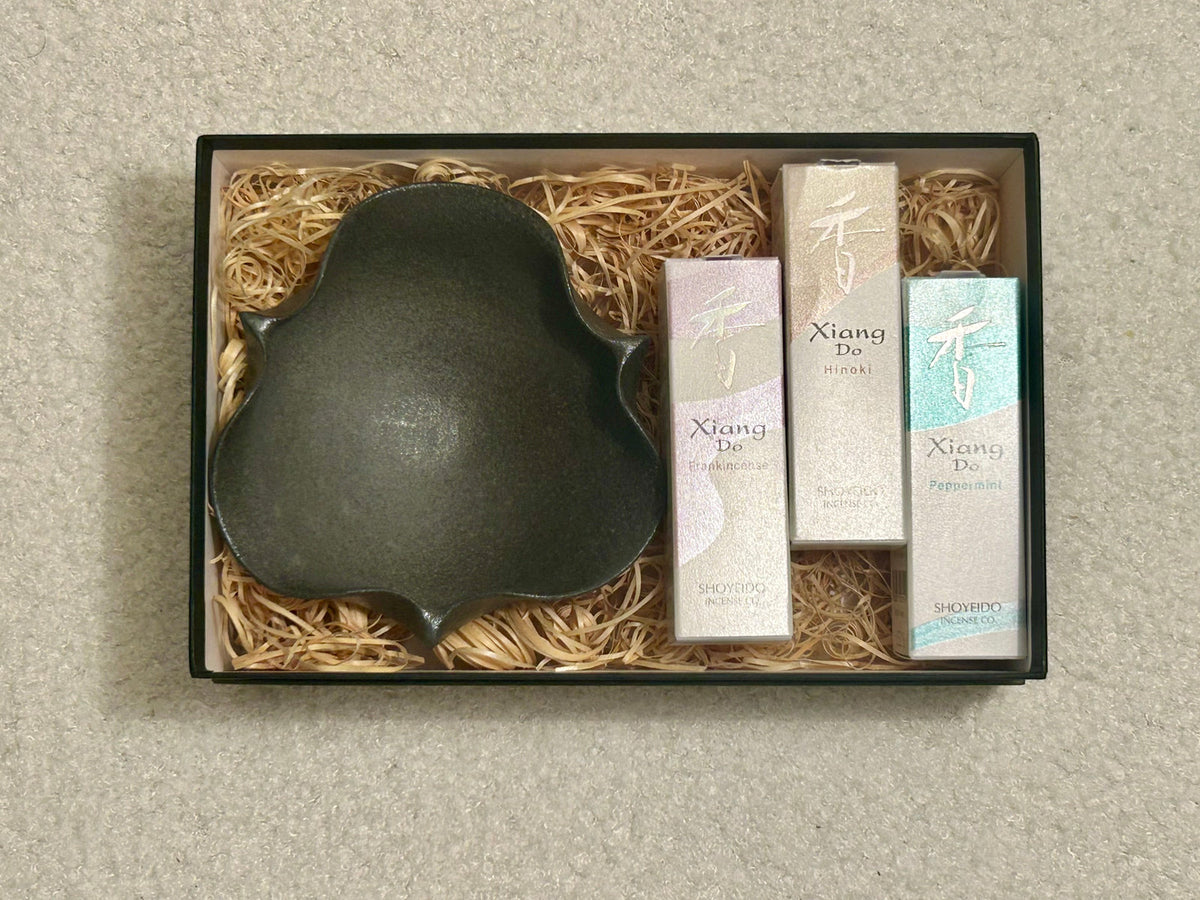
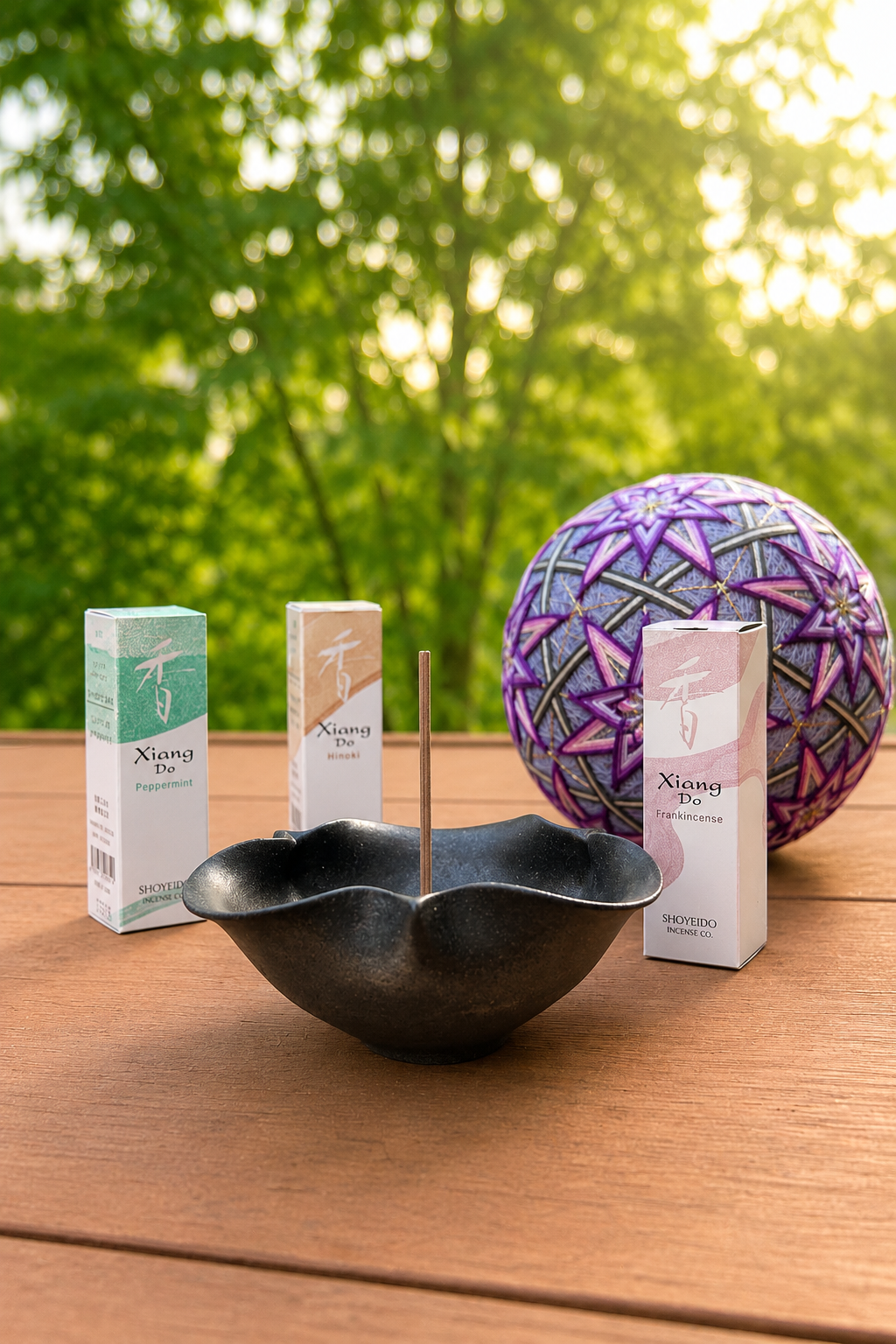
Sustainability is not only about what we rescue after a break. It also appears in the slower decisions before one: choosing fewer objects, using them regularly, learning their limits, and maintaining them thoughtfully. The Zen Complete Set for a daily incense ritual pairs a hand-formed Suzu-yaki plate by Takanori Kizawa with three Xiang Do scents. It is not Kintsugi, and it does not need to be. Its value lies in being an object with a clear purpose—one to use, care for, and keep in a calm corner of the day.
Kintsugi’s lesson is not that damage is desirable or that every repair is right. It is that a break can invite a deliberate decision instead of an automatic discard. That is a quiet place to begin.

Build a quieter corner, slowly.
Explore giftable handmade Suzu-yaki and Japanese incense for a daily ritual made to be used with care. Ships worldwide.
Explore Gift Sets


%20is%20a%20Japanese%20repair%20practice%20that%20makes%20a%20break%20vi...)