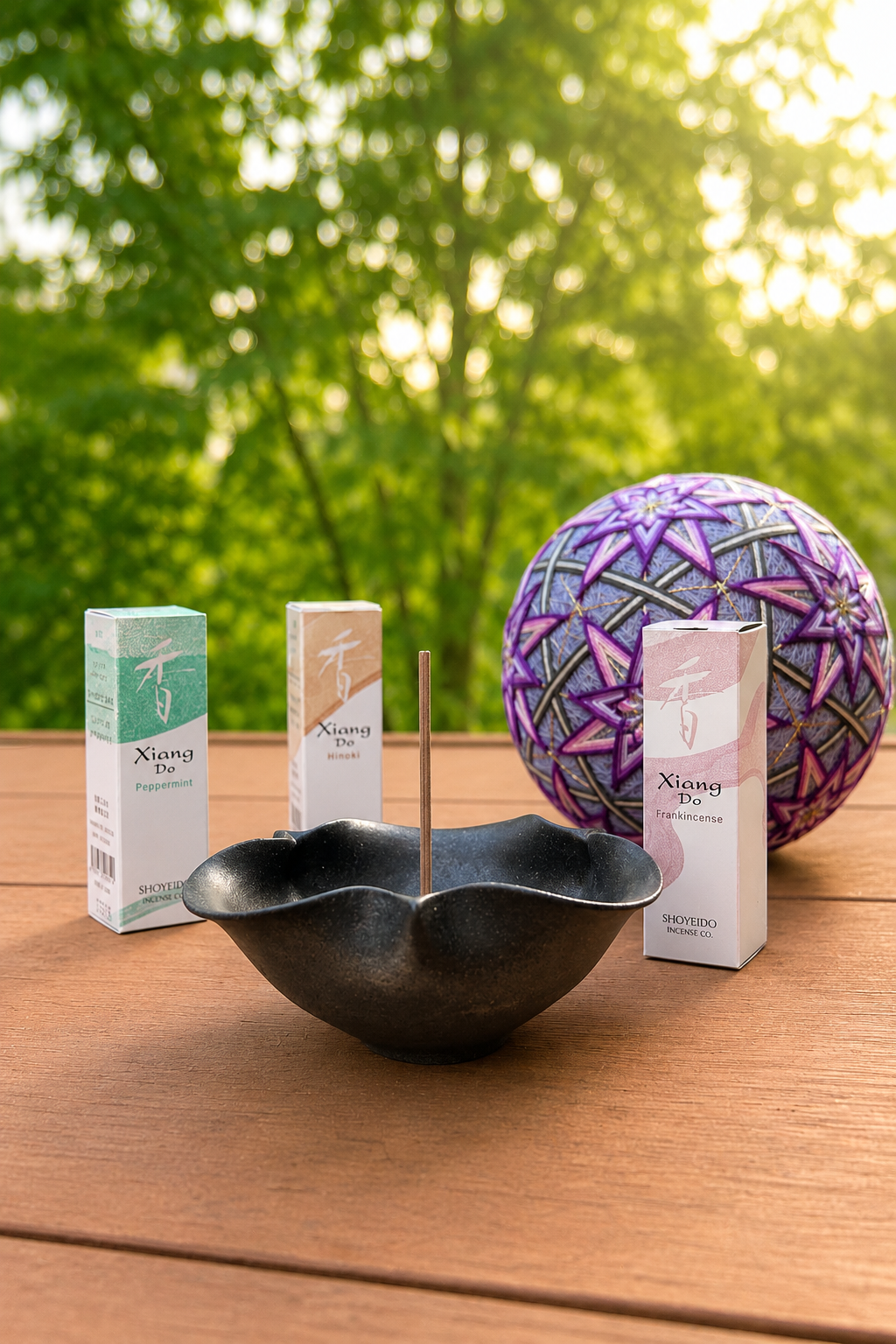
How to care for unglazed pottery becomes especially useful when the seasons change. Suzu-yaki (珠洲焼) is a high-fired, unglazed stoneware from Japan’s Noto Peninsula. Its charcoal surface is made for use, but it responds best to a simple rhythm: wash gently, dry completely, and protect it from sudden extremes.

ZEN COMPLETE SET
Why seasonal care matters
Yakishime ceramics are unglazed wares fired at high temperature until the clay vitrifies, according to the Nezu Museum. That is different from a soft, low-fired earthenware, but it does not make a vessel indestructible. Suzu-yaki remains a ceramic object: it can chip when dropped, dislike rapid temperature changes, and hold moisture if it is stored before it is dry.
The surface may also deepen and change with use. A slight shift in tone is not automatically damage. The aim is not to keep a handmade vessel frozen in its first-day appearance. The aim is to give it clean, dry, stable conditions so its character develops without avoidable stress. For more background, see What Is Suzu-yaki?.
Spring: rinse away winter dust
When you begin opening windows and changing rooms for spring, start with a quiet inspection. Look for ash, dust, or residue around the base and any recess. Use lukewarm water and a soft sponge or cloth. Do not scrub the surface aggressively: the slight texture is part of the fired clay, not dirt to be polished away.
After rinsing, wipe the piece and leave it in an open, well-ventilated place until it is fully dry. If it has been stored for a long time, avoid putting it straight into a closed box after washing. A few extra hours of air circulation are more useful than a hurried return to the shelf.
Summer: keep moisture from lingering
Warm, humid weather makes drying the most important step. After using a Suzu-yaki incense plate, remove ash only when the surface is cool, then rinse by hand if needed. Dry both the visible surface and the underside. Do not leave the plate soaking in a basin or wrapped in a damp cloth.
A cupboard is fine once the piece is dry, but avoid packing it tightly against other objects while moisture is still present. If you see a persistent musty smell or unusual surface change, stop experimenting with household chemicals. The Canadian Conservation Institute advises against bleach and acid formulations for ceramic cleaning; cosmetic stains are safer to assess than to attack.
Autumn: prepare for changing temperatures
Autumn brings cooler mornings, heated rooms, and more movement between indoor and outdoor spaces. Keep Suzu-yaki away from direct heat sources and do not place a cold piece onto a hot surface. The conservation principle is straightforward: avoid rapid changes in temperature and humidity, particularly when an object is already chipped or cracked.
This is also a good season to check the shelf itself. Store ceramics where they will not be jarred, and leave enough space to lift them with two hands. A soft, non-fibrous liner can reduce sliding, but it should never conceal a damp base.
Winter: warm water, gentle handling
In winter, avoid taking a very cold vessel and exposing it immediately to heat. Let it come gradually to room temperature. For normal cleaning, the product guidance is simple: rinse by hand with warm water, use a drop of mild soap only when needed, and dry fully before storing.
For a plate used with incense, never put it in a dishwasher or microwave, and do not leave it in long soaking water. When moving it, support it from underneath rather than lifting from a narrow edge. Ceramics are hard but brittle; a careful grip protects the object and the quiet routine around it.
A care rhythm that lasts all year
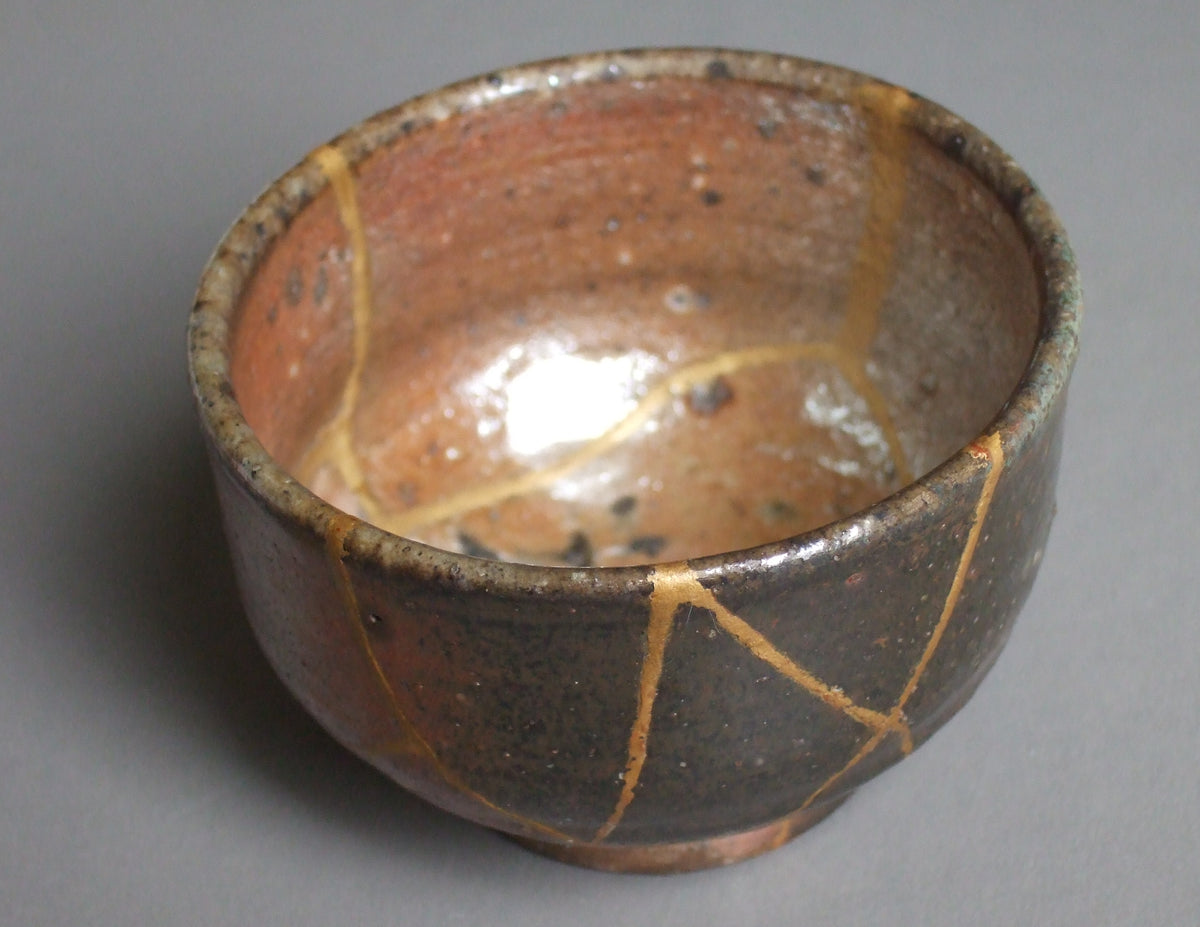
The most reliable seasonal routine is also the least complicated: remove residue gently, wash by hand, let the piece air-dry, and return it to a stable place. If a mark remains, ask whether it is harmful or simply evidence of use. If a crack, loose fragment, or structural change appears, stop using the piece and seek professional advice rather than attempting an improvised repair.
For a fuller first-use and cleaning guide, continue with How to Care for Your Suzu-yaki Pottery. You can also read Japanese Black Pottery, Explained to understand why the unglazed surface looks the way it does.

Build a quiet ritual that can age with you
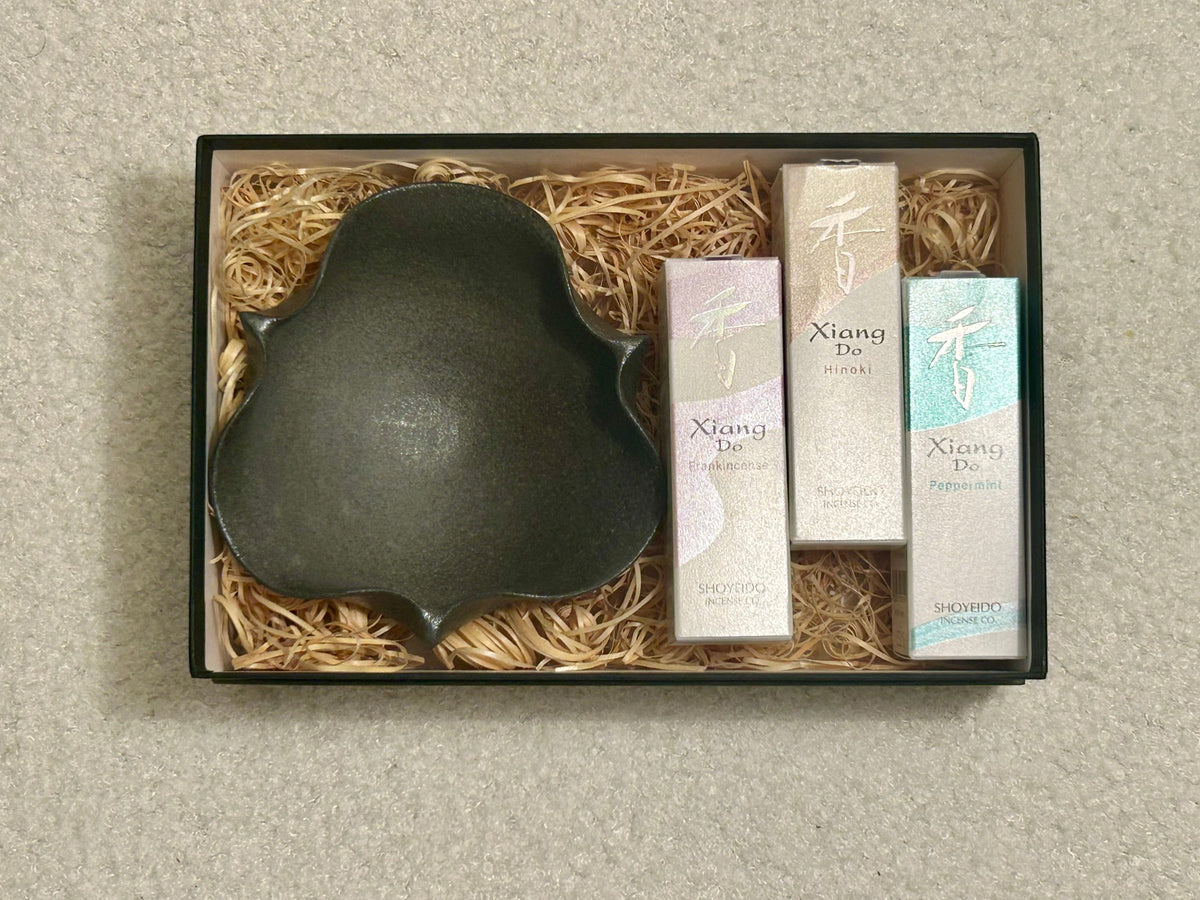
The Zen Complete Set pairs one hand-formed Suzu-yaki incense plate by Takanori Kizawa with sixty Shoyeido Xiang Do sticks in Frankincense, Hinoki, and Peppermint. It is a useful beginning for a daily incense practice, and a thoughtful gift for someone who values objects made to be used and cared for.


%20is%20a%20high-fired,%20unglazed%20stoneware%20from%20Japan%E2%80%99s%20Noto%20Peninsula.%20Its%20charcoal%20surface%20is%20made%20fo...)