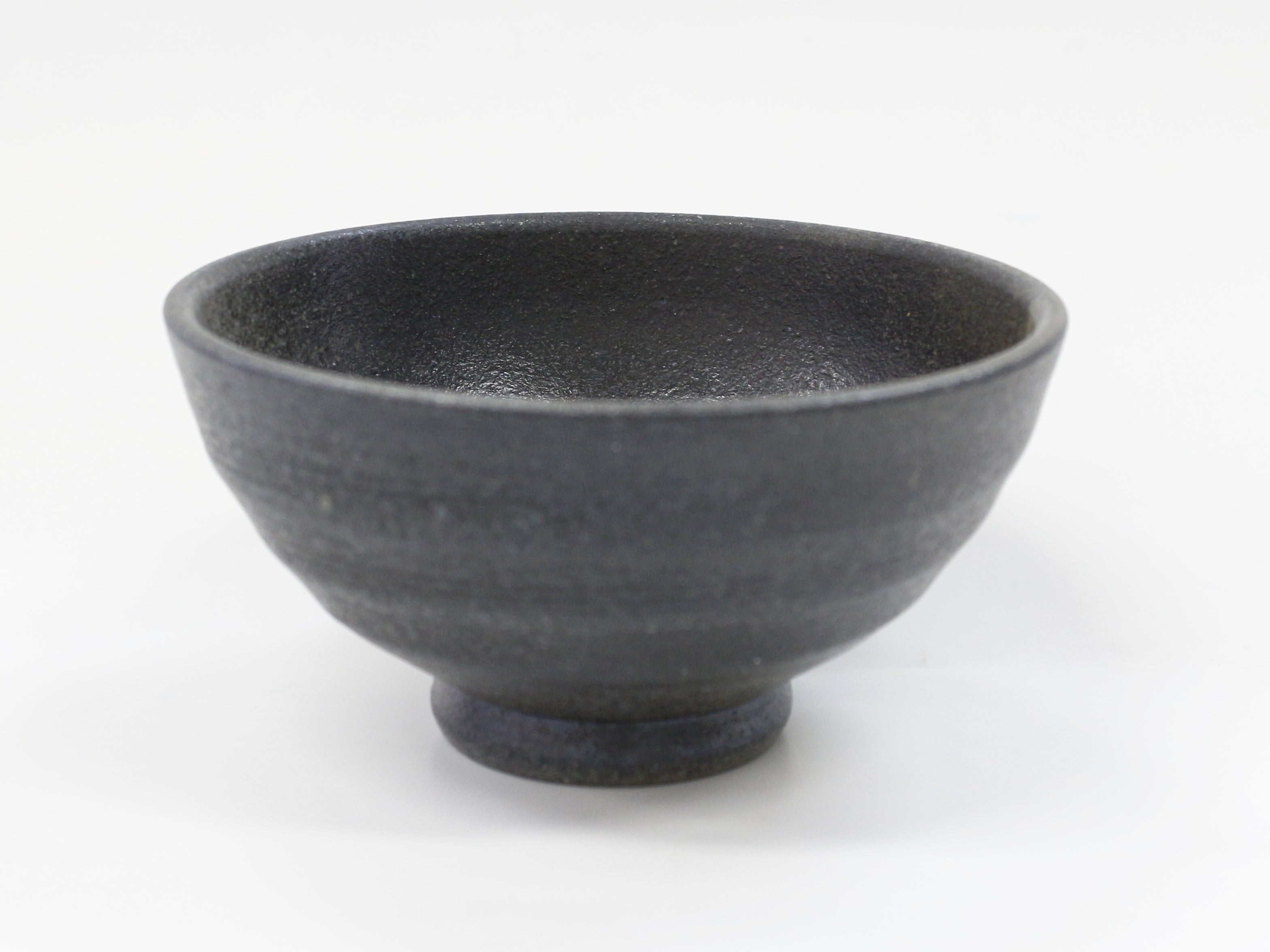
How to Care for Your Suzu-yaki Pottery: A Complete Guide
Suzu-yaki (珠洲焼) is not merely a vessel; it is a living piece of earth that evolves alongside you. Unlike glazed ceramics that remain static over time, this ancient unglazed stoneware from the Noto Peninsula breathes, absorbs, and develops a profound character with every use. Understanding how to care for your Suzu-yaki pottery is the key to unlocking its true beauty—a process the Japanese call "nurturing the scenery" (keshiki wo sodateru).

The Ishikawa Prefectural Library (石川県立図書館) — just as this remarkable building preserves knowledge, proper care preserves the beauty of your Suzu-yaki for generations. Photo: © ほっと石川旅ねっと
The Nature of Unglazed Stoneware
To care for Suzu-yaki, one must first understand its nature. Fired at extreme temperatures exceeding 1,200°C in a traditional anagama wood kiln, the iron-rich clay of the Noto Peninsula transforms into a dense, durable stoneware. However, because it lacks an artificial glass-like glaze, the surface remains porous at a microscopic level.
This porosity is both its greatest vulnerability and its most beautiful attribute. It allows the clay to absorb moisture, oils, and the essence of what it holds, gradually shifting its matte, charcoal-black finish into a deep, lustrous patina. This transformation is the embodiment of wabi-sabi—the appreciation of beauty that comes with age and use.
Before the First Use: The Awakening
When you first receive a piece of Suzu-yaki, it is like a sleeping stone. Before introducing it to food or drink, it requires a gentle awakening process known as medome (sealing the pores). This crucial step prevents strong odors, deep stains, and excessive oil from penetrating the raw clay.
- The Rice Water Method: The traditional Japanese method involves boiling the pottery in the starchy water left over from washing rice. The natural starches act as a gentle, breathable sealant, filling the microscopic pores without altering the clay's natural texture.
- The Process: Place the vessel in a pot of room-temperature rice water. Slowly bring it to a gentle simmer (never a rolling boil, which could cause the piece to rattle and chip). Let it simmer for 20 to 30 minutes, then turn off the heat and allow the pottery to cool completely in the water.
- Drying: Once cooled, rinse the piece with clean water and dry it thoroughly with a soft cloth. Allow it to air dry completely in a well-ventilated area before its first use.

Gentle hand washing is essential to preserve the natural texture of the clay.
Daily Care and Cleaning
The daily maintenance of Suzu-yaki requires mindfulness, turning a mundane chore into a moment of quiet connection with your craft.
Pre-soaking: Before serving food or pouring tea, briefly immerse the vessel in clean, warm water for a few minutes. This simple act allows the clay to absorb pure water, creating a temporary barrier that prevents the absorption of food stains and odors. You will notice the dark surface instantly deepen in color—a beautiful phenomenon unique to unglazed wares.
Washing: Always wash Suzu-yaki by hand. Avoid dishwashers, as the harsh detergents and high-pressure water can strip the developing patina and cause micro-abrasions. Use a soft sponge and warm water. If soap is necessary, use a very mild, unscented dish soap, and rinse thoroughly. Because the clay is porous, it can absorb the scent of strong detergents, which may later affect the taste of your tea or coffee.
Drying and Storage: Moisture is the enemy of stored pottery. After washing, wipe the piece with a dry cloth and leave it in an open, well-ventilated space until it is bone dry. Storing unglazed pottery while it is still damp inside can lead to mold or a musty odor. When stacking pieces in a cupboard, place a soft cloth or paper towel between them to prevent the slightly textured surfaces from scratching one another.
Addressing Stains and Odors
Despite your best efforts, unglazed pottery may occasionally absorb an unwanted odor or develop a stubborn stain. Do not despair; this is part of the vessel's journey.
If your Suzu-yaki develops an odor, try boiling it gently in water with a few slices of lemon or a small amount of baking soda. For deep stains, a paste of baking soda and water applied gently to the area can help lift the discoloration. However, it is important to embrace a shift in perspective: in Japanese ceramic culture, slight discolorations from tea or sake are not viewed as "stains" but as keshiki (scenery)—the visual history of the vessel's life with you.

Yamashiro Onsen's Koso-yu bathhouse (山代温泉 古総湯) — centuries of careful maintenance have preserved this historic building, just as proper care will preserve your Suzu-yaki. Photo: © ほっと石川旅ねっと
The Reward: A Growing Beauty
Caring for Suzu-yaki is an exercise in patience and respect. It asks you to slow down, to wash by hand, to dry with care. In return, the pottery rewards you. Over months and years of use, the rough texture will smooth beneath your fingers. The matte, ash-covered surface will develop a subtle, deep luster. The vessel will become uniquely yours, shaped not just by the artisan's hands and the kiln's fire, but by the life you have shared with it.
This is the true essence of Suzu-yaki. It is not a fragile artifact to be kept behind glass, but a robust companion for daily life, growing more beautiful with every passing year.




%20is%20not%20merely%20a%20vessel;%20it%20is%20a%20living%20piece%20of%20earth%20that%20evolves%20alongside%20you.%20Unlike%20glazed%20ceramics%20that%20remain%20static%20over%20time,%20this%20ancient%20unglazed%20stoneware%20from%20the...)