A Beginner's Guide to Japanese Pottery: From Jōmon to Modern
What makes Japanese pottery unique in the world of ceramics? With over 10,000 years of history, it has evolved from simple utilitarian objects to a refined art form, reflecting Japan’s changing social and aesthetic values. This journey offers a rich glimpse into the nation’s cultural evolution, from the ancient Jōmon period to the modern era.
The Dawn of Clay: Jōmon and Yayoi Periods
The story of Japanese ceramics begins in the prehistoric Jōmon period (c. 14,000–300 BCE). The word "Jōmon" translates to "cord-marked," referring to the distinctive patterns created by pressing twisted ropes into wet clay before firing. These early vessels were primarily functional, used for cooking and storage, yet they displayed an extraordinary level of artistic expression. The "Flame-style" pots of the Middle Jōmon period are particularly famous for their dramatic, sculptural rims that resemble leaping flames, suggesting they held ritualistic significance as well.

Following the Jōmon era, the Yayoi period (300 BCE–300 CE) brought significant changes. With the introduction of rice cultivation and a more settled agrarian lifestyle, pottery became more utilitarian. Yayoi ceramics featured thinner walls, smoother surfaces, and more symmetrical shapes, aided by the introduction of the potter's wheel. This shift marked a transition toward practicality, laying the groundwork for future advancements.
Technological Leaps: Sueki and the Six Ancient Kilns
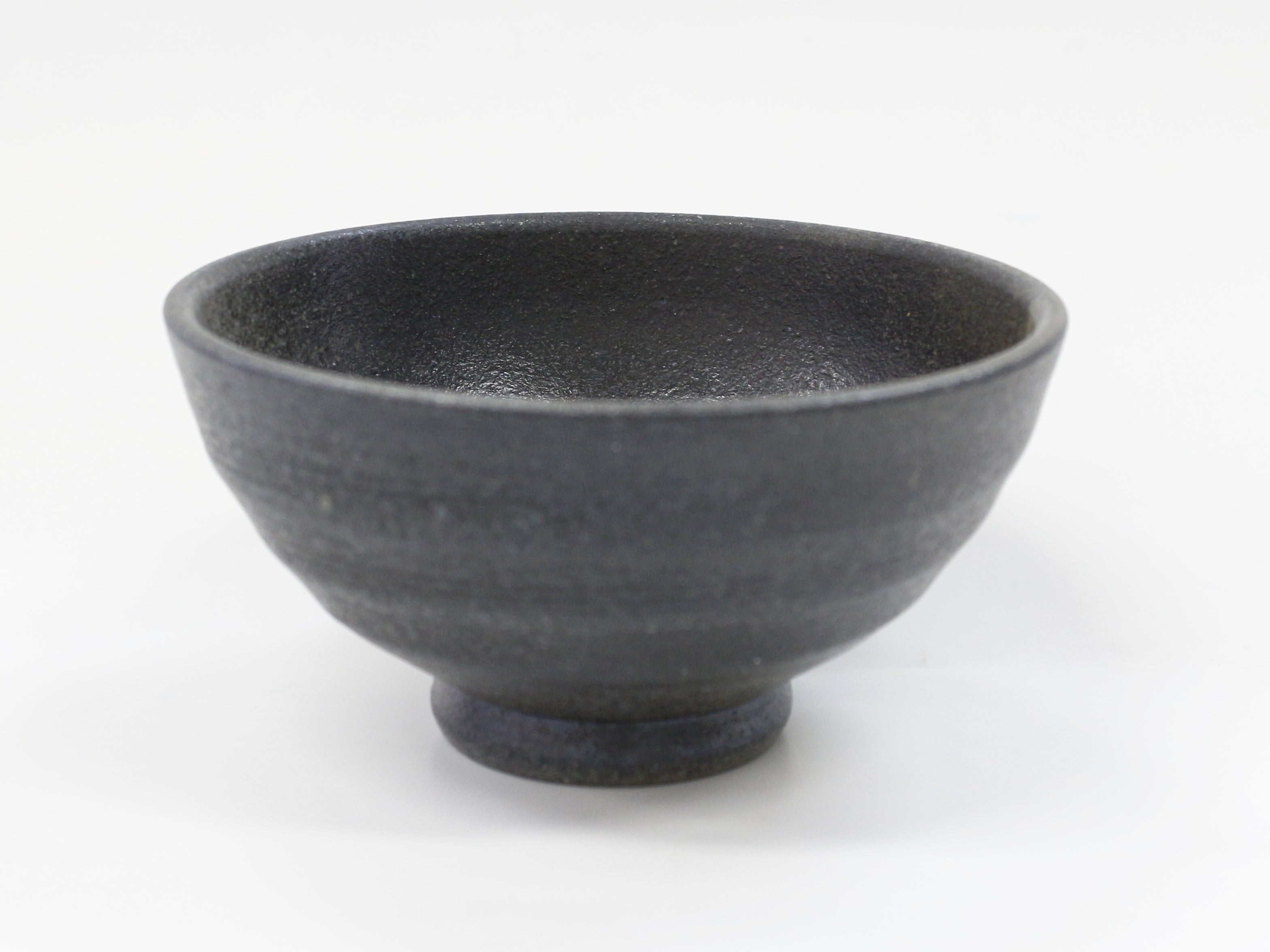
The Kofun period (300–538 CE) witnessed a technological revolution with the introduction of Sueki (Sue ware) from the Korean Peninsula. Unlike the low-fired earthenware of the past, Sueki was high-fired stoneware, baked at temperatures exceeding 1200°C in an oxygen-reducing atmosphere. This process resulted in a hard, durable, grayish-blue ceramic that set a new standard for Japanese pottery.
By the Heian period (794–1185), regional pottery centers began to flourish, eventually leading to the establishment of the "Six Ancient Kilns" (Rokkoyō): Seto, Tokoname, Echizen, Shigaraki, Tamba, and Bizen. Each kiln developed its own unique style based on local clay and firing techniques. For instance, Bizen ware became renowned for its unglazed, reddish-brown finish and natural ash glaze, while Seto ware was among the first to experiment with applied glazes inspired by Chinese ceramics.

The Golden Age: Tea Ceremony and Wabi-Sabi
The Momoyama period (1573–1603) is widely considered the golden age of Japanese pottery, driven largely by the rising popularity of the tea ceremony (chanoyu). Tea masters like Sen no Rikyū championed the aesthetic of wabi-sabi—finding beauty in simplicity, naturalness, and imperfection.
This philosophy profoundly influenced ceramic design. Artisans began creating tea bowls that were intentionally asymmetrical and rough-hewn. Notable styles from this era include Shino ware, with its thick, milky-white glaze; Oribe ware, known for its vibrant green copper glaze and playful geometric patterns; and Raku ware, hand-molded and low-fired to create unique, textured surfaces that perfectly embodied the wabi-sabi spirit.

The Rise of Porcelain and the Modern Era
The Edo period (1603–1868) marked another major milestone: the discovery of porcelain clay in Arita, Kyushu. With the help of Korean potters, Japan began producing high-quality porcelain, known as Arita or Imari ware. Characterized by bright cobalt blue underglazes and colorful overglaze enamels, Imari ware became highly sought after in Europe, symbolizing luxury and sophistication.
In the 20th century, the Mingei (folk craft) movement, founded by philosopher Yanagi Sōetsu, brought renewed appreciation to everyday, utilitarian pottery. This movement celebrated the "beauty of use" and the anonymous craftsmen who created functional art, helping to preserve traditional techniques in the face of rapid industrialization.
Continuing the Legacy
Today, Japanese pottery remains a vibrant and evolving art form. From the ancient, unglazed beauty of Suzu-yaki to the refined elegance of modern porcelain, each piece tells a story of earth, fire, and human ingenuity. Whether you are a seasoned collector or a curious beginner, exploring Japanese ceramics is a journey into the heart of Japan's cultural heritage.