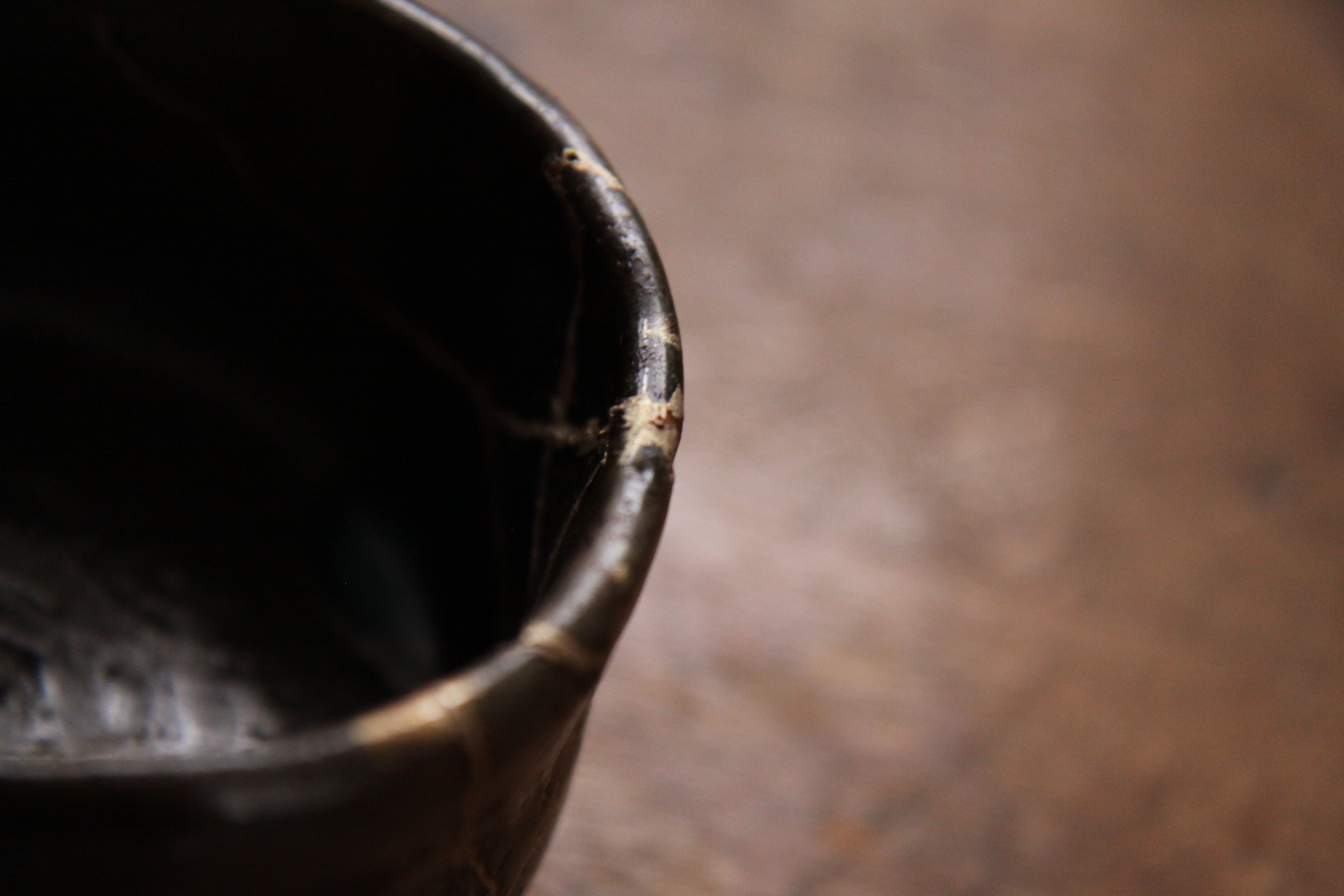
Kintsugi: The Art of Repairing with Gold
A broken vessel usually asks a simple question: should it be hidden, replaced, or discarded? In Japan, kintsugi (金継ぎ), literally “golden joinery,” offers a more generous answer. It repairs ceramic fractures with lacquer and precious metal, turning damage into a visible record of care, time, and renewal.

What Kintsugi Really Means
Kintsugi is more than a decorative finish. Traditionally, broken pottery is joined with urushi (漆), Japanese lacquer, and the repaired seams are finished with gold, silver, or another metal powder. Britannica describes the practice as a centuries-old Japanese ceramic repair technique that beautifies cracks so they become a visual record of the object’s history rather than a flaw to conceal.
The process is slow because true urushi work requires patience. The lacquer must cure under carefully controlled humidity, and missing pieces may be rebuilt with lacquer-based fillers before the final gold line is applied. In a culture that often values quietness and restraint, the golden seam is striking precisely because it is honest. It says: this piece has lived, has broken, and has been brought back with intention.
A Tea Bowl, a Shogun, and a Better Repair
One often-told origin story links kintsugi to Ashikaga Yoshimasa, the 15th-century shogun whose damaged Chinese tea bowl was supposedly sent away for repair. When it returned fastened with metal staples, the repair was strong but visually unsatisfying. Japanese craftspeople are said to have responded by developing a more refined method: one that did not pretend the break had never happened, but made the repair beautiful.
Whether the story is history or legend, it points to kintsugi’s natural home: the world of chanoyu (茶の湯), the Japanese tea ceremony. Tea culture transformed the way objects were seen. A bowl was no longer merely a container; it was a meeting point between hand, season, guest, host, and memory. A repaired tea bowl could therefore become more meaningful after repair, because its scars were now part of its presence.
The Wabi-Sabi Beauty of Imperfection
Kintsugi is often associated with wabi-sabi (侘び寂び), the Japanese aesthetic that finds depth in imperfection, age, simplicity, and impermanence. Japan Travel describes kintsugi as an art form that seals cracks with lacquer and gold powder while embodying wabi-sabi’s embrace of imperfection. Instead of returning the object to a false state of newness, kintsugi gives it a second life that is visibly shaped by time.
This is why kintsugi feels so contemporary even though it is old. In a world trained to replace things quickly, kintsugi asks us to slow down. It is not sentimental repair; it is disciplined repair. It preserves function, but it also deepens meaning. The vessel is not valuable because it escaped damage. It is valuable because it was worth mending.

Why It Resonates With Suzu-yaki
At first glance, kintsugi and Suzu-yaki may seem like different worlds. Kintsugi is repair; Suzu-yaki is creation. Yet both honor the unpredictable beauty of fire, earth, and time. Suzu-yaki is known for its deep, unglazed black surface, born from reduction firing and the intense atmosphere of the kiln. Its beauty is not painted on afterward. It emerges from the clay’s encounter with flame.
Kintsugi shares that respect for transformation. The repaired line is not merely decoration; it marks a moment when the object changed state. In Suzu-yaki, the kiln leaves a permanent memory in the vessel. In kintsugi, the break and repair do the same. Both traditions value the object not as a flawless commodity, but as a living presence with a story.
The Ethics of Keeping What Matters
The Japanese government’s Highlighting Japan has described kintsugi as a healing form of pottery repair, noting that repaired cracks can resemble lightning, rivers, or branches. That image is important. Kintsugi does not erase the accident. It gives the accident a new visual language. The result can feel restorative not only for the object, but also for the person who chose not to give up on it.
This is the quiet ethic behind many Japanese crafts: care is a form of respect. To repair a beloved bowl is to admit that use creates risk, that beauty changes, and that permanence is not the same thing as untouched perfection. A piece that bears a golden seam may be more intimate than a pristine one because it has been held through its fragility.
A Golden Lesson for the Modern Home
For collectors of Japanese pottery, kintsugi offers a way to look more carefully. The best vessels are not always those that shout for attention. Sometimes they are the pieces whose surfaces reward patience: the shadowed black of Suzu-yaki, the subtle mark of the hand, the quiet irregularity of the rim, or the repaired line that acknowledges history. These details invite daily use, not distant admiration.
At The Zen Artisan, we see Japanese ceramics as companions to a slower, more intentional life. A Suzu-yaki cup or vessel does not need gold repair to embody the spirit of kintsugi. It already carries the lesson of transformation: clay shaped by hand, darkened by fire, and made meaningful through use. To bring such a piece into your home is to choose beauty that deepens over time.
Explore our collection of Japanese ceramics and discover pieces made to be used, cherished, and remembered.
Sources and image credits: Britannica, “Kintsugi”; Government of Japan, Highlighting Japan, “Kintsugi: The Healing Power of Pottery Repair”; Japan Travel, “The Art of Imperfection: Kintsugi Pottery and Wabi-Sabi”; Wikimedia Commons image credits as listed in captions.


,%20literally%20%E2%80%9Cgolden%20joinery,%E2%80%9D%20offers%20a%20more%20generous%20answer.%20It%20repairs%20c...)