Noto's Satoyama and Satoumi: A Globally Important Agricultural Heritage Landscape
On the Noto Peninsula, the boundary between land and sea is less a dividing line than a conversation. Forested slopes give way to small fields and irrigation ponds; terraces descend toward the Sea of Japan; coastal waters sustain fishing communities whose work is tied to the same seasons as the rice fields above them. This living relationship is known as satoyama (里山) and satoumi (里海).
In 2011, the Food and Agriculture Organization of the United Nations designated Noto’s Satoyama and Satoumi as a Globally Important Agricultural Heritage System (GIAHS), the first such designation in Japan.[1] The distinction matters. Noto is not being preserved as an untouched view. It is recognized as a landscape and seascape shaped through generations of careful work—farming, forestry, fishing, water management, and seasonal ritual.
A Landscape Made Through Relationship
Satoyama is often translated as the countryside between village and mountain, but that shorthand can conceal its complexity. FAO describes Noto’s satoyama as a mosaic of secondary woodlands, plantations, grasslands, farmland, pasture, irrigation ponds, and canals. Satoumi is its coastal counterpart: shorelines, rocky coasts, tidal flats, and seaweed or eelgrass beds where human use and ecological productivity have long been intertwined.[1]
Together, these are not isolated habitats. Rainfall gathered in uplands feeds reservoirs and fields; cultivated land meets the coast; household knowledge connects the harvest on land with the food from the sea. The value of Noto lies in this pattern of connections. It is an example of how a working landscape can support both livelihoods and biodiversity when it is actively tended.

Water, Fields, and the Shape of Everyday Work
The government’s overview of the region notes more than 1,800 irrigation ponds across the four cities and five towns that make up the Noto area.[3] These ponds are practical infrastructure, yet they are also part of the ecological fabric. FAO notes that managed paddies and reservoirs offer habitats for diverse plants, amphibians, and birds, showing how human stewardship can create conditions for other life to persist.[1]
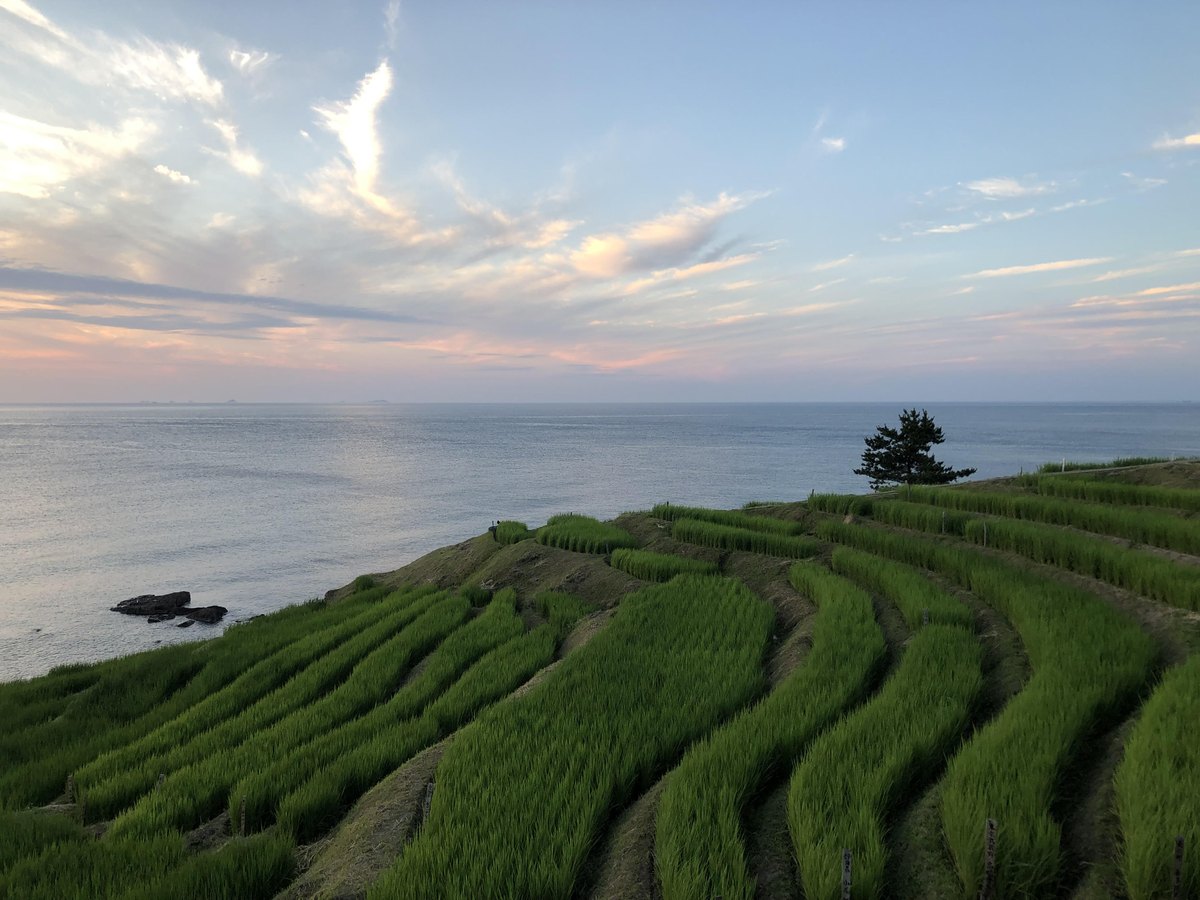
Shiroyone Senmaida in Wajima is the landscape’s most recognizable expression. Its small rice plots fold down toward the sea in a pattern that changes with planting, harvest, weather, and light. But the celebrated view should not make us overlook the labor it represents. Terraces need water, paths, walls, planting, and people. The heritage is not the image alone; it is the ongoing act of maintaining a place.
| Part of the system | How it connects |
|---|---|
| Rice fields and reservoirs | They store and share water while providing a managed edge habitat for plants and animals. |
| Woodland and village | Forests, fields, fuel, and water have historically been connected through local management and seasonal work. |
| Coast and sea | Fishing, seaweed, salt making, and coastal customs place marine life within the rhythm of local households. |
Satoumi: A Productive Coast, Not an Empty Shore
Noto’s coastal world has its own vocabulary of skill. The Government of Japan highlights agehama-shiki (揚浜式), a hand-worked salt-making method in Suzu, and the ama divers of Wajima, whose community rules guide the harvesting of abalone, turban shell, and seaweed.[3] FAO likewise identifies salt making and traditional fishing among the knowledge systems adapted to the peninsula.[1]
This is the spirit of satoumi: not the absence of people, but a coast where use is shaped by local knowledge, restraint, and continuity. The rocky shore, sheltered cove, fishing ground, and working village are part of the same inheritance. They make the food culture of Noto legible in a bowl—salt, fish, seaweed, and the seasonality that brings each to the table.

Ritual Is Also a Form of Memory
The Noto system is carried through culture as well as through crops and coastal work. FAO names the Oku-noto Aenokoto (奥能登のあえのこと), a ritual associated with rice planting and harvest, alongside the peninsula’s kiriko festivals and communal resource practices.[1] Such observances do not stand apart from livelihood. They give form to gratitude, responsibility, and the timing of work in a landscape whose resources cannot be taken for granted.

A Heritage That Must Keep Living
GIAHS recognition is not a guarantee against change. FAO identifies ageing and population decline as serious pressures on the local stewardship that keeps fields, forests, and traditions viable.[1] The severe earthquakes and heavy rainfall of 2024 added another challenge, and the United Nations University continues to convene discussions around recovery and local sustainability in Noto.[4]
For visitors and admirers from afar, the appropriate response is not to treat the peninsula as a backdrop. Follow current local guidance, support regional producers and craftspeople when possible, and recognize that recovery is ongoing. A living heritage is sustained when the people who hold its knowledge can continue to live and work there.
From Landscape to Vessel
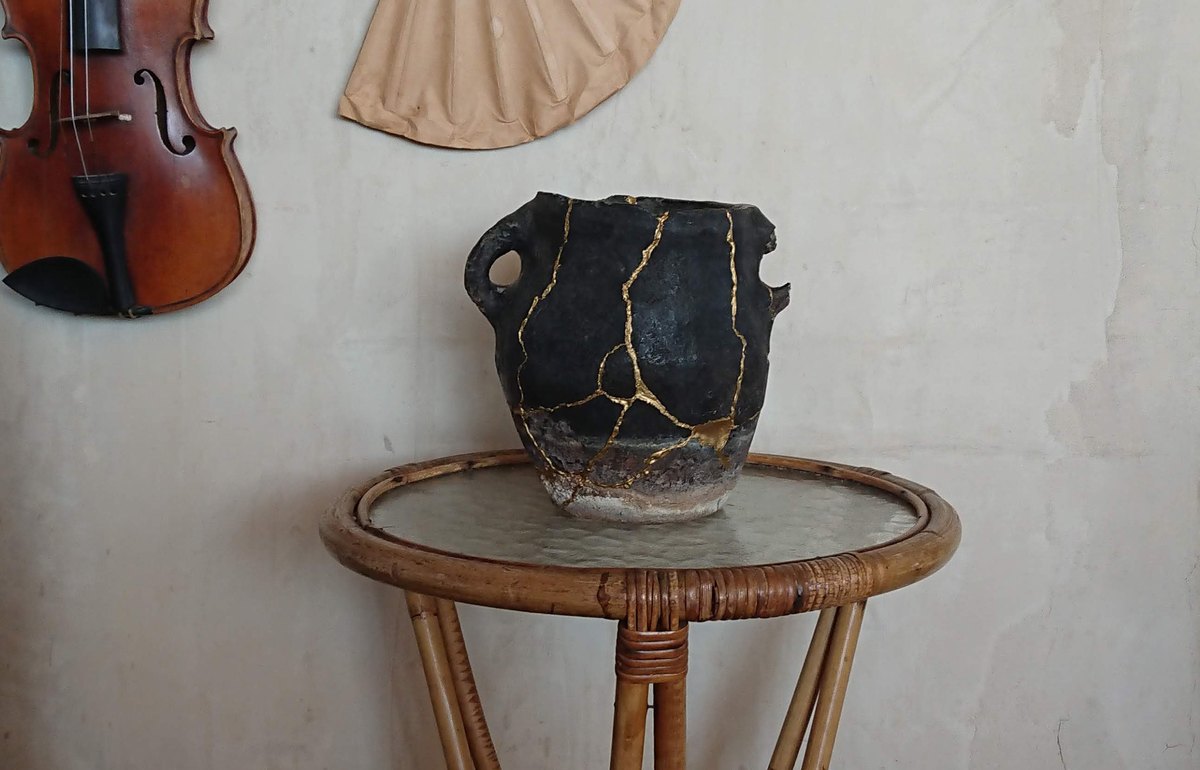
Suzu-yaki belongs to this larger Noto story. Its dark, high-fired stoneware does not depict the peninsula; it carries the same ethic of material attention. Clay is gathered, formed, fired, and used in a place where land, sea, weather, and human practice have always met. To place food in a Suzu-yaki bowl is to slow down enough to notice that relationship.
Noto’s Satoyama and Satoumi show that sustainability is not an abstraction. It is a series of particular acts: tending water, sharing a field, respecting a fishing ground, maintaining a ritual, and making objects that invite use rather than waste. The landscape remains important because those acts remain meaningful.
Sources
Related reading: For wider context on the landscape that supports Noto’s craft and food traditions, read Noto’s Satoyama and Satoumi.