Notoraku Ryokan: Luxury Reborn After the Earthquake
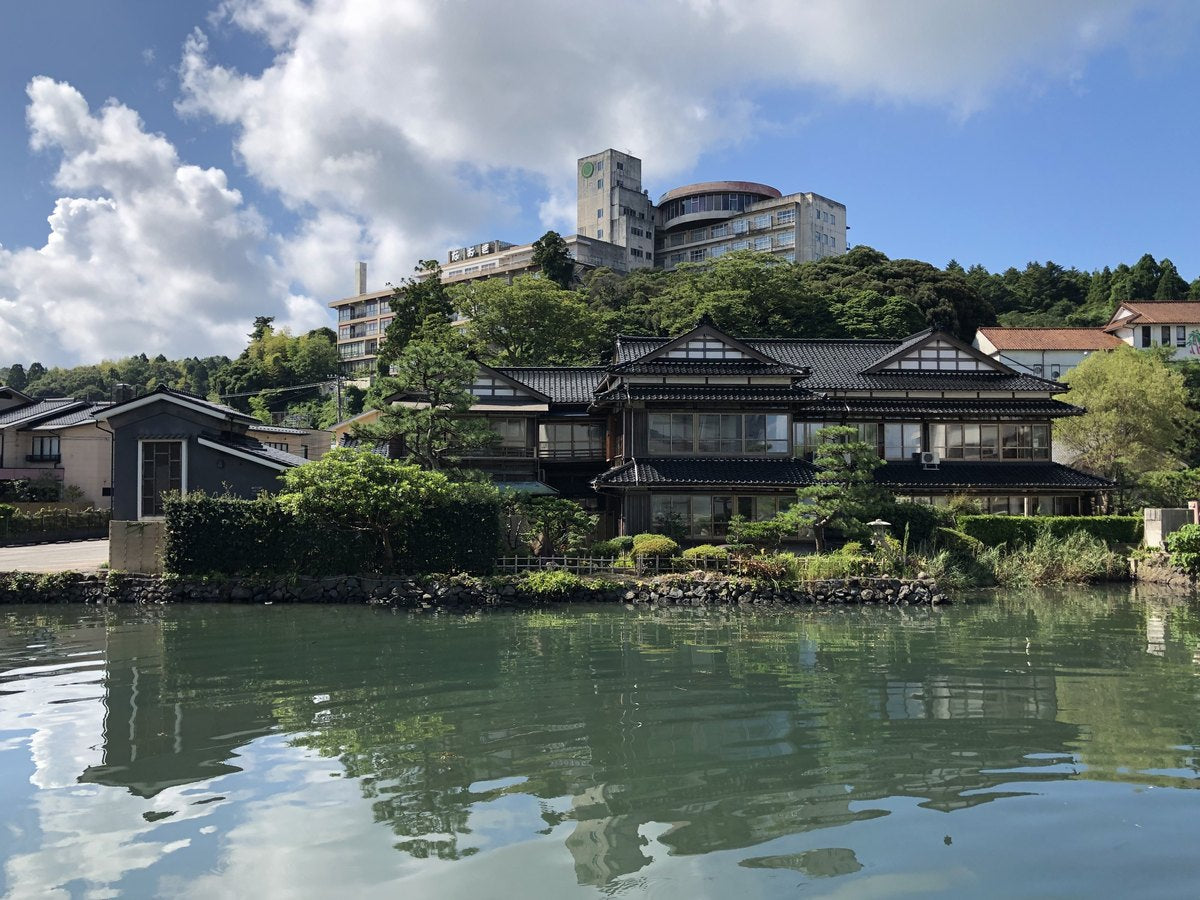
On the shore of Nanao Bay, Wakura Onsen has long offered a distinctively maritime version of the Japanese ryokan experience: salt-rich water, changing bay light, and the unhurried hospitality of the Noto Peninsula. Nihon no Yado Notoraku is part of that story. Its return after the 2024 Noto Peninsula earthquake is meaningful not because recovery is complete, but because it makes room again for guests, local producers, and the daily life of a hot-spring town finding its way forward.
This is not a conventional “everything is back to normal” travel story. Notoraku has resumed welcoming visitors, yet both the property and the wider Wakura Onsen area remain in an ongoing period of repair. For thoughtful travelers, that reality is part of the visit: staying with care, confirming current conditions, and allowing the place to be more complex than a postcard.

A Return Built on Repair
Notoraku announced that it would reopen on 1 November 2024, after roughly ten months of closure following the earthquake, with a pre-opening period beginning in October. At the time of that announcement, the property said guest rooms, the communal hot spring baths, restaurant, and banquet spaces would be usable, while repairs continued in part of the more heavily affected main building.[3]
That distinction matters. “Reopened” is not the same as “finished.” The Wakura Onsen Ryokan Cooperative Association explains that the earthquake caused severe damage across the resort town. Its accommodation notice lists Notoraku among the properties accepting tourists, while also cautioning that some reopened inns operate amid demolition or construction and that seawall work can affect sea views.[2] The most generous way to visit is to recognize that restoration is a process, not a backdrop.
Before you reserve: Confirm your room, dining plan, bath access, and any construction-related conditions directly with Notoraku. Current availability can change as restoration progresses.
The Sea as the Essential Amenity
Notoraku’s setting is inseparable from Nanao Bay. The property’s own description emphasizes Wakura’s hot, mineral-rich saline water and the shifting colors of the bay across morning, day, and evening.[1] For visitors accustomed to mountain onsen, this is a different atmosphere: not a secluded valley, but a broad waterline and a coastal horizon that changes with the weather.
The hotel also describes facilities shaped around that perspective, including its Notojima Terrace Club and its food offerings centered on the region’s sea and land. In a rebuilt travel itinerary, those details are more than luxuries. They are ways that a stay circulates attention toward the local fishing culture, rice, vegetables, and hospitality businesses that make Wakura what it is.

What Is Available—and What Still Requires Patience
Notoraku’s official site presents its communal hot spring, restaurant options, refreshed souvenir shop, and a new children’s area, alongside a range of rooms and meeting spaces.[1] It also makes a particularly important note for guests drawn to its highest viewpoints: the three private panoramic open-air baths on the 15th floor are currently unavailable because of earthquake-related renovation.[1]
This is useful information, not a disappointment to conceal. It allows visitors to select the stay that suits them now, rather than imagining an experience that is temporarily unavailable. Luxury, in this setting, is best understood as clarity, care, and the capacity to adapt—qualities that matter far more than an uninterrupted checklist of facilities.
| Aspect | What to understand before your stay |
|---|---|
| Accommodation | Notoraku is listed by the Wakura Onsen association as accepting tourist guests; verify current room inventory and any building work directly before booking. |
| Bathing | The property presents its communal hot spring experience, but its 15th-floor private panoramic open-air baths are marked unavailable during renovation. |
| Bay views | Nanao Bay remains the defining setting, though the local association advises that coastal works may affect some views in Wakura. |
| Mindful travel | Leave room for changed routes, active worksites, and an itinerary that supports local shops and craftspeople at a respectful pace. |
A Thoughtful Noto Itinerary
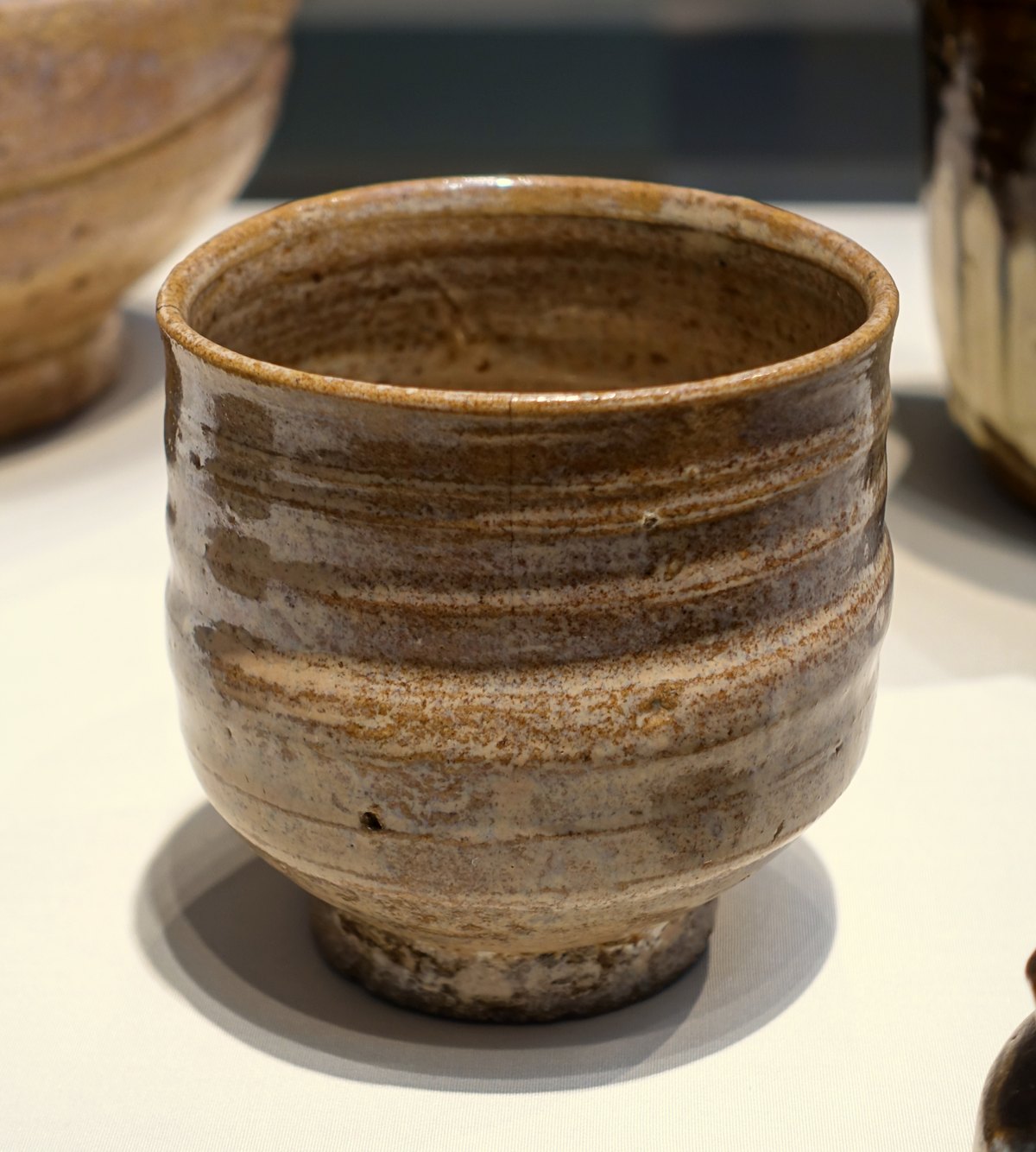
A stay in Wakura can become an invitation to slow down rather than to consume a destination. Begin with the water: an unhurried soak, then a walk along the bay. Make time for regional food, small purchases from local makers, and the quietly tactile rituals that belong to a ryokan stay—tea poured into a handmade cup, a seasonal sweet, the feel of a well-used lacquer tray.
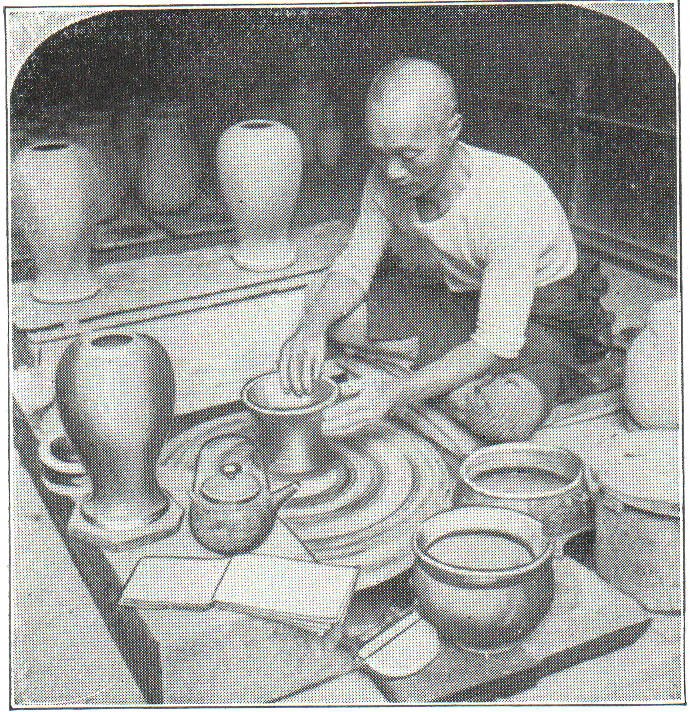
For admirers of Suzu-yaki, this kind of travel has a natural resonance. The craft of the Noto Peninsula is inseparable from place: clay, ash, labor, and the resilience of communities that continue making through change. Bringing a small ceramic vessel home is not a substitute for understanding the region, but it can become a daily reminder to keep looking, listening, and returning with care.

Rebirth as an Ongoing Practice
Notoraku’s story is not about forgetting the earthquake. It is about making hospitality possible again while repairs continue, and recognizing that visitors can participate in recovery by traveling with realistic expectations and respect. The bay, the mineral water, and the warmth of a ryokan meal remain powerful reasons to go. Equally important is the chance to meet Wakura at a truthful moment in its return.
When you plan a visit, rely on current official updates rather than old assumptions. Then, once there, allow the most valuable part of the stay to be simple: time beside the water, a quiet room, and gratitude for a place that is still becoming itself again.
Sources & current-status note
The situation in Wakura Onsen is evolving. Please confirm facilities and local conditions directly before making travel arrangements.
Carry a quieter rhythm home. The Zen Complete Set for a daily incense ritual combines a hand-formed Suzu-yaki plate from Noto with three Shoyeido scents for an unhurried moment at home.
Related reading: For wider context on the landscape that supports Noto’s craft and food traditions, read Noto’s Satoyama and Satoumi.