How Japanese Pottery Improves With Age
A Japanese ceramic vessel is not always meant to look untouched. In the right circumstances, use can bring out a softer surface, a deepened tone, or a pattern of fine lines that becomes more personal with every cup of tea. This idea is often described as utsuwa o sodateru—living with and, in a sense, growing into a vessel.
But the phrase deserves care. Not every pot should be expected to change, and not every mark is a mark to celebrate. The value of age in Japanese pottery is not neglect. It is attentiveness: understanding the material in your hands, following the maker’s instructions, and recognizing the difference between a gentle patina and a condition that needs attention.
The Beauty of a Vessel That Records Time
Japanese tea culture has long made room for quiet change. A tea bowl need not be frozen at the moment it left the kiln. Its color can settle, its surface can become more familiar to the hand, and its association with particular seasons or gatherings can grow. The object becomes more than a finished product: it becomes a companion to repeated acts of hospitality.
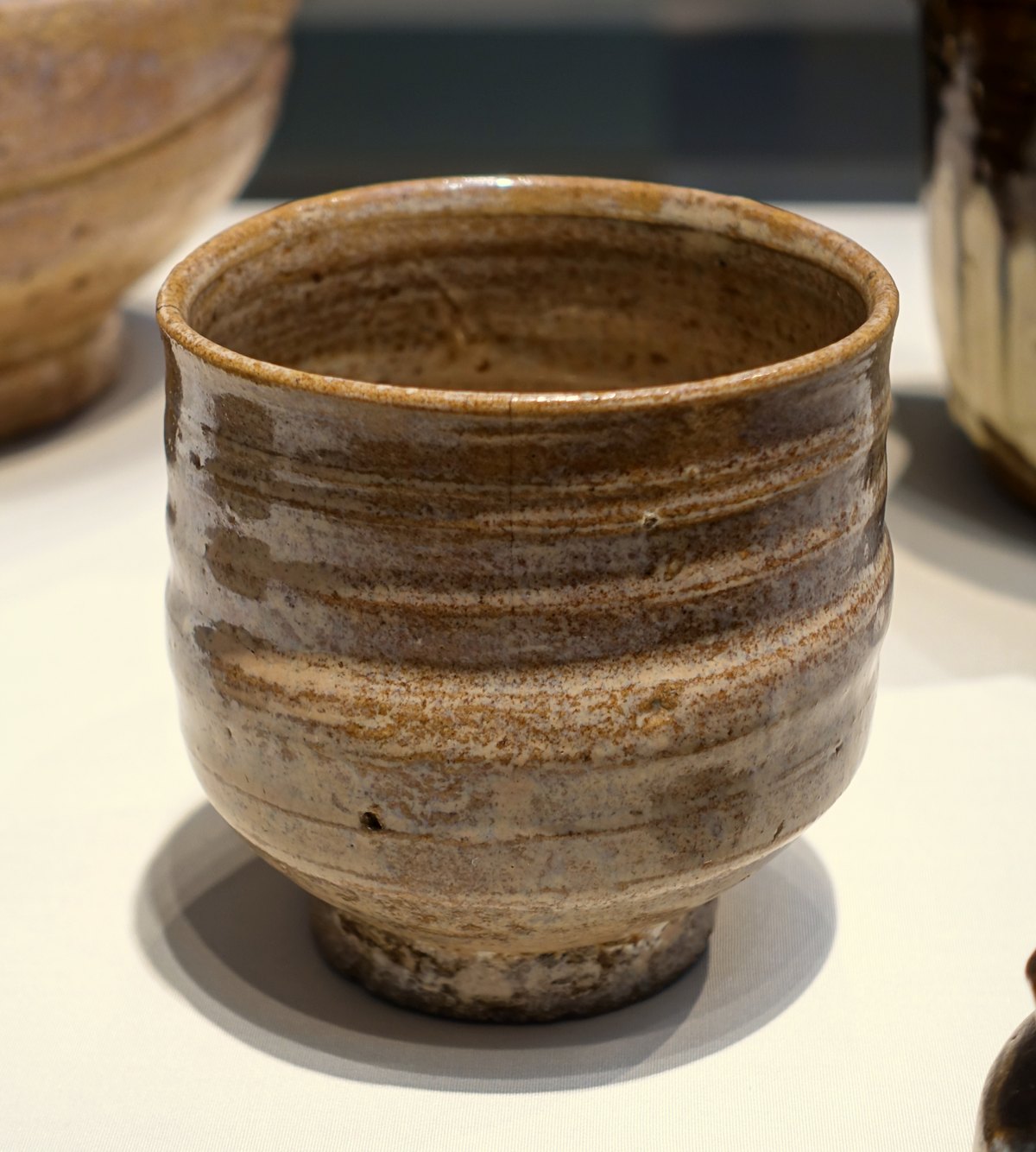
That relationship is especially vivid in Hagi ware. Hagi Touen, a Hagi-yaki studio, explains that its clay body is less tightly fired than porcelain and that its glaze has fine crackles known as kannyū. Over years of use, tea or sake may enter these fine lines and alter the bowl’s coloration. Among tea practitioners, this gradual change is valued as chanare—tea acclimation—or Hagi no nanabake, the “seven transformations” of Hagi.[1]

What the “Seven Transformations” Really Mean
The “seven” in Hagi no nanabake should not be read as a fixed sequence or a promise. It expresses the idea that a bowl can reveal many different aspects as it is used. A bowl may change slowly, quickly, scarcely at all, or in a way its owner does not prefer. Clay, glaze, firing, what the vessel holds, and the rhythm of care all matter.
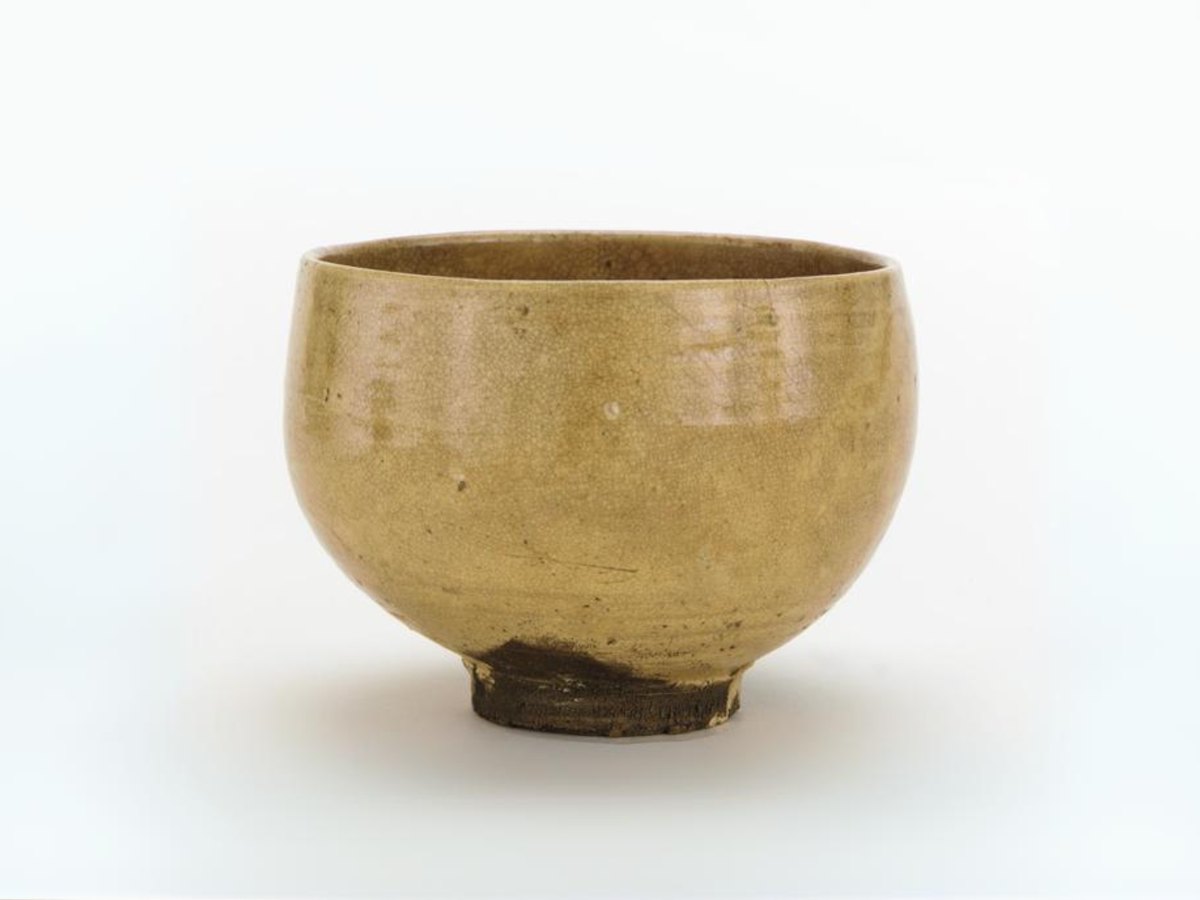
This is not merely poetic language. The Smithsonian National Museum of Asian Art describes an eighteenth-century tea bowl possibly made in Hagi with a translucent crackled glaze and brown tea stains in its interior.[2] The museum record makes tangible what tea users have observed for generations: some materials retain a visible record of use. That record can be beautiful because it is individual, not because it is automatically desirable.
Hagi-yaki Kaikan similarly explains that Hagi’s relatively open clay and glaze crackles can take in tea stain over time. In some pieces, this gradual process can also lessen water seepage. The same source stresses that the amount of seepage varies with the clay, glaze, and firing.[3] These differences are precisely why one maker’s care note should never be replaced by a universal rule.
Patina Is Not Damage
The most satisfying changes are gradual and integrated with the life of the vessel. They do not compromise the object’s function, introduce odor, or leave the owner unsure whether a crack is moving. A sudden change deserves a pause. In Japan’s ceramic traditions, respect for imperfection has never meant ignoring structural care.
| What you see | A thoughtful response |
|---|---|
| Gentle color settling into existing fine glaze crackles | For some wares, especially Hagi, this can be an expected expression of use. Observe it slowly and follow the maker’s own care guidance. |
| A sudden structural crack, sharp edge, or persistent leak | Stop using the vessel with food or drink until its condition is understood. Seek advice from the maker, a qualified restorer, or a knowledgeable dealer. |
| Unwanted stains, odor, or signs of damp storage | Clean according to the maker’s directions and let the piece dry completely before storage. Do not assume every stain is intended patina. |
A Daily Practice of Care
Care is what turns time into beauty rather than wear. Hagi Touen advises checking a piece for damage before use, avoiding prolonged contact with strongly colored, oily, acidic, or alcoholic foods where appropriate, and drying the piece thoroughly after washing.[1] The studio also recommends soaking Hagi ware in water before use to help limit absorption. These details are valuable not as rituals for their own sake, but as a reminder to meet a porous, crackled body on its own terms.
For any Japanese pottery, begin with the maker’s specific instructions. Some contemporary works are treated to be easier in daily use. Others are more absorbent or deliberately unglazed. Avoid making a piece “age” faster. The best patina is never forced; it grows from ordinary, repeated attention.

What This Means for Suzu-yaki
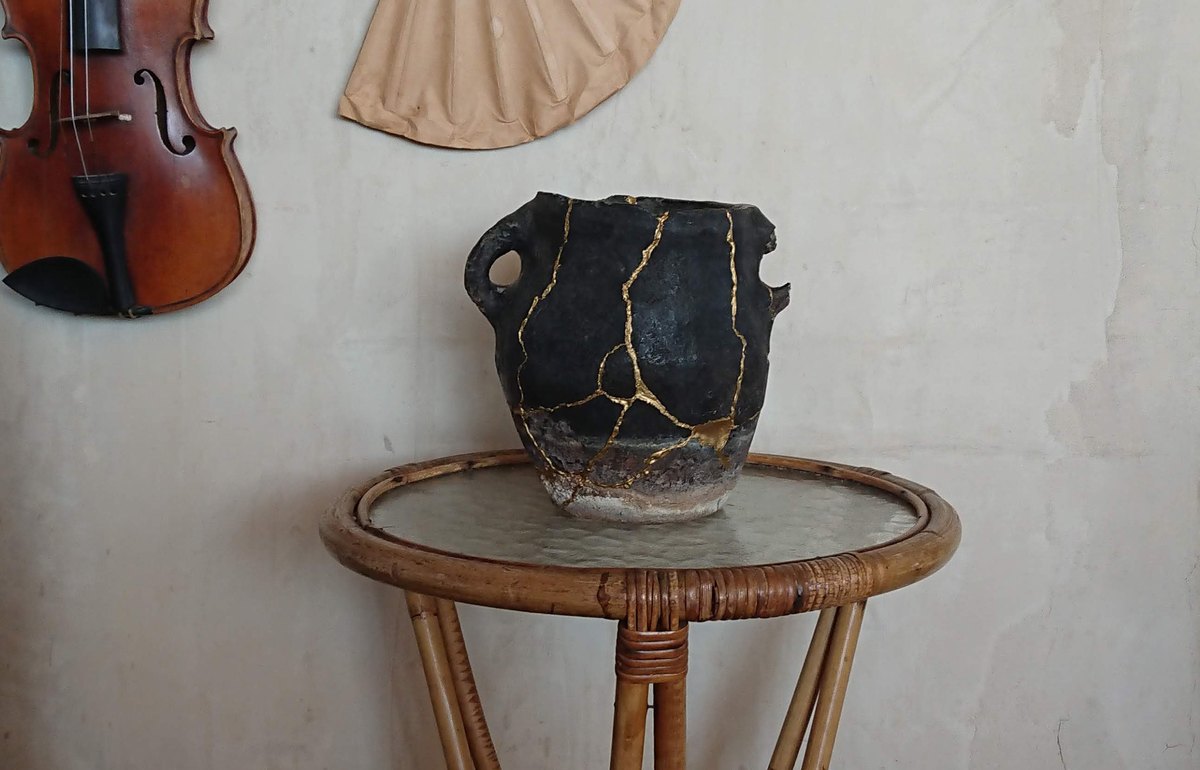
Suzu-yaki offers a different lesson in time. Its dark, high-fired stoneware character is grounded in clay, ash, and the heat of the kiln. Rather than expecting it to perform the same visible transformation as a crackled Hagi tea bowl, approach it through use: how it holds tea, how its matte surface responds to light, and how naturally it enters a meal or quiet pause.
Its history does not depend on dramatic change. A Suzu-yaki cup becomes more yours through familiarity—the particular way you reach for it in the morning, the meals it has accompanied, the way its restraint makes the color of food and tea more present. That, too, is an improvement with age: not a guaranteed alteration of material, but a deepening relationship between object and owner.

Let Time Be Honest
Japanese pottery does not improve with age simply because years pass. It grows richer when use is respectful, care is responsive, and change is allowed to happen at the pace of the material. A bowl does not have to become visibly darker, more crackled, or more rustic to earn a place in your life.
Choose the piece that invites you to use it. Wash it, dry it, and return to it. In that repetition, the most important transformation may be your own: a sharper eye for clay, a slower hand at the table, and a deeper appreciation for objects that are made to share ordinary time.
Sources
Related reading: For a focused look at Suzu-yaki’s unglazed charcoal surface, read Japanese Black Pottery, Explained.