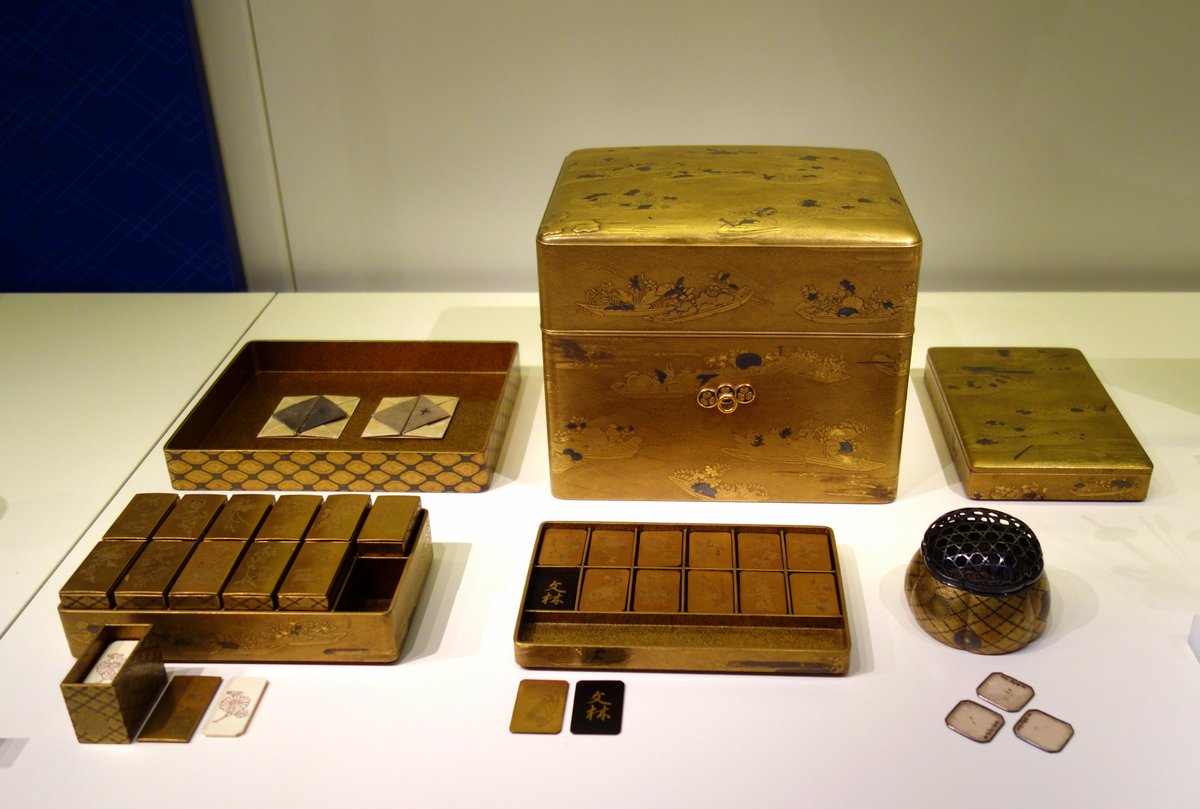
Neriko: The Art of Blended Japanese Incense Balls
In the world of Japanese incense (kōdō), much reverence is given to pure aromatic woods like aloeswood and sandalwood. However, during the Heian period (794–1185), the aristocracy developed a deeply personal and artistic approach to fragrance: Neriko (練香), or blended incense balls. Rather than burning a single piece of wood, nobles would mix powdered aromatics with honey or plum nectar, creating soft, dark spheres that released complex, evolving scents when gently heated.
This article explores the history, ingredients, and philosophy behind Neriko, and how these ancient aromatic blends continue to influence the Japanese appreciation of fragrance today—especially when paired with traditional ceramics like Suzu-yaki.
The Heian Origins: Fragrance as Identity
During the Heian period, fragrance was more than a pleasant scent; it was a defining characteristic of one's identity and social standing. Nobles would craft their own secret Neriko recipes, closely guarding the proportions of their blends. These scents were used to perfume clothing, rooms, and even letters sent to lovers.

In classical literature like The Tale of Genji, characters are often recognized in the dark solely by the lingering fragrance of their personal Neriko. The creation of these incense balls was considered a refined art form, requiring a deep understanding of how different botanicals interacted not just in the moment, but over time as they aged.
The Ingredients and the Process
Unlike modern stick incense, which burns directly, Neriko is designed to be heated indirectly over a mica plate placed above a hot coal. This indirect heat gently releases the volatile oils without producing smoke, resulting in a pure, unadulterated fragrance.
The traditional process of making Neriko involves several steps:
- Grinding: Aromatic ingredients such as agarwood (jinkō), sandalwood (byakudan), cloves, star anise, cinnamon, and camphor are ground into a fine powder.
- Binding: The powder is bound together using a sticky substance, traditionally sweet plum nectar (bai-niku) or honey. This binder not only holds the sphere together but also adds a subtle sweetness to the aroma.
- Kneading: The mixture is kneaded by hand until it reaches a clay-like consistency, then rolled into small balls about the size of a pea.
- Maturing: Perhaps the most crucial step, the finished balls are placed in a ceramic jar and buried in the ground or kept in a cool, dark place to mature. Over several months, the sharp edges of the individual spices mellow and fuse into a unified, harmonious scent.

The Six Classic Blends (Mukusa no Takimono)
By the 11th century, the myriad of personal recipes began to be codified into six classic blends, known as Mukusa no Takimono. These were designed to reflect the changing seasons and specific moods:
| Name | Season | Aromatic Profile |
|---|---|---|
| Baika (Plum Blossom) | Spring | Sweet and gentle, evoking early spring blossoms. |
| Kayō (Lotus) | Summer | Cool and refreshing, reminiscent of a lotus pond. |
| Jijū (Chamberlain) | Autumn | Deep and melancholic, capturing the essence of falling leaves. |
| Kikka (Chrysanthemum) | Autumn | Crisp and clear, like the autumn air. |
| Rakuyō (Falling Leaves) | Winter | Warm and grounding, perfect for cold days. |
| Kurobō (Black Fragrance) | Winter | Rich, dark, and profoundly calming; deeply associated with winter nights. |
Neriko and Ceramic Art: The Perfect Vessel
The enjoyment of Neriko is intimately tied to the ceramics used in its preparation and presentation. Because Neriko requires maturation, it must be stored in small, airtight ceramic jars (kōgō). The porous, unglazed nature of traditional ceramics like Suzu-yaki makes them ideal for this purpose. The dark, carbonized surface of Suzu-yaki provides a striking visual contrast to the small, dark spheres of incense, while the natural clay allows the fragrance to breathe and mature without interference from artificial glazes.

Furthermore, when the Neriko is finally heated, it is placed in a specialized incense burner (kōro). A Suzu-yaki kōro, with its wabi-sabi aesthetic and subtle ash-fall patterns, grounds the ethereal experience of the fragrance in the raw beauty of the earth. The sensory experience becomes complete: the warmth of the ceramic in the hand, the visual stillness of the unglazed clay, and the invisible, evolving symphony of the Neriko.
A Slow Art for a Fast World
In our modern era of instant gratification and synthetic room sprays, the art of Neriko stands as a testament to patience. It teaches us that true depth—whether in fragrance, in ceramics, or in life—cannot be rushed. It requires careful blending, the binding sweetness of time, and a period of quiet maturation in the dark.
The next time you light a stick of incense, consider the ancient nobles who spent months perfecting a single, pea-sized sphere of fragrance, waiting for the perfect winter night to share its scent.
Related reading: For the wider cultural history behind Japanese incense, read The 1,400-Year History of Japanese Incense.



,%20much%20reverence%20is%20given%20to%20pure%20aromatic%20woods%20like%20aloeswood%20and%20sandalwood.%20However,%20during%20the%20Heian%20period%20(794%E2%80%931185),%20the%20aristocracy%20developed%20a%20de...)