How to Burn a Single Incense Stick on a Suzu-yaki Holder
How to burn a single incense stick on a Suzu-yaki holder begins with a simple idea: give one small action enough attention to be safe, useful, and unhurried. A holder is not just a decorative surface. It steadies the ritual, catches the ash, and makes a short pause feel considered rather than improvised.
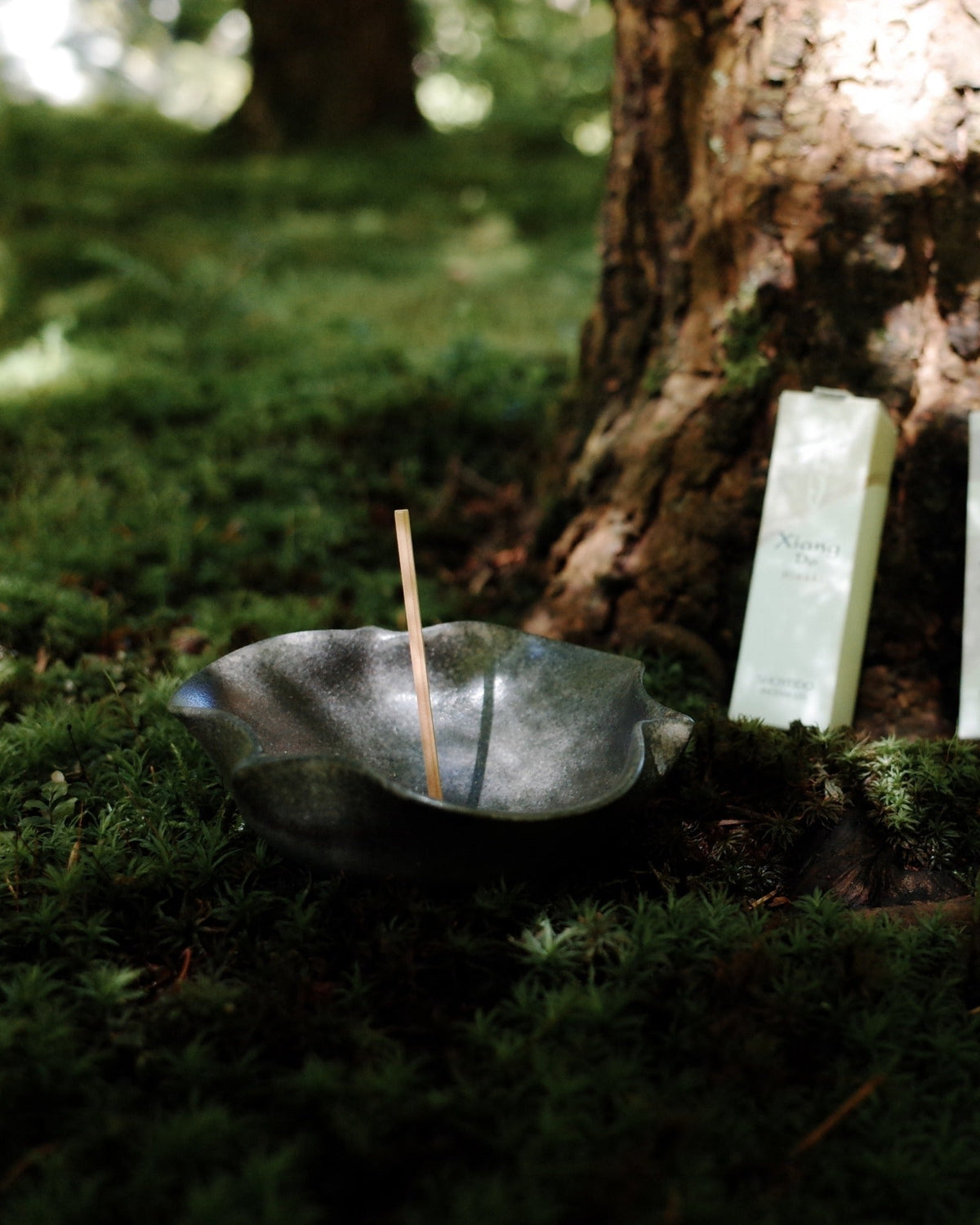
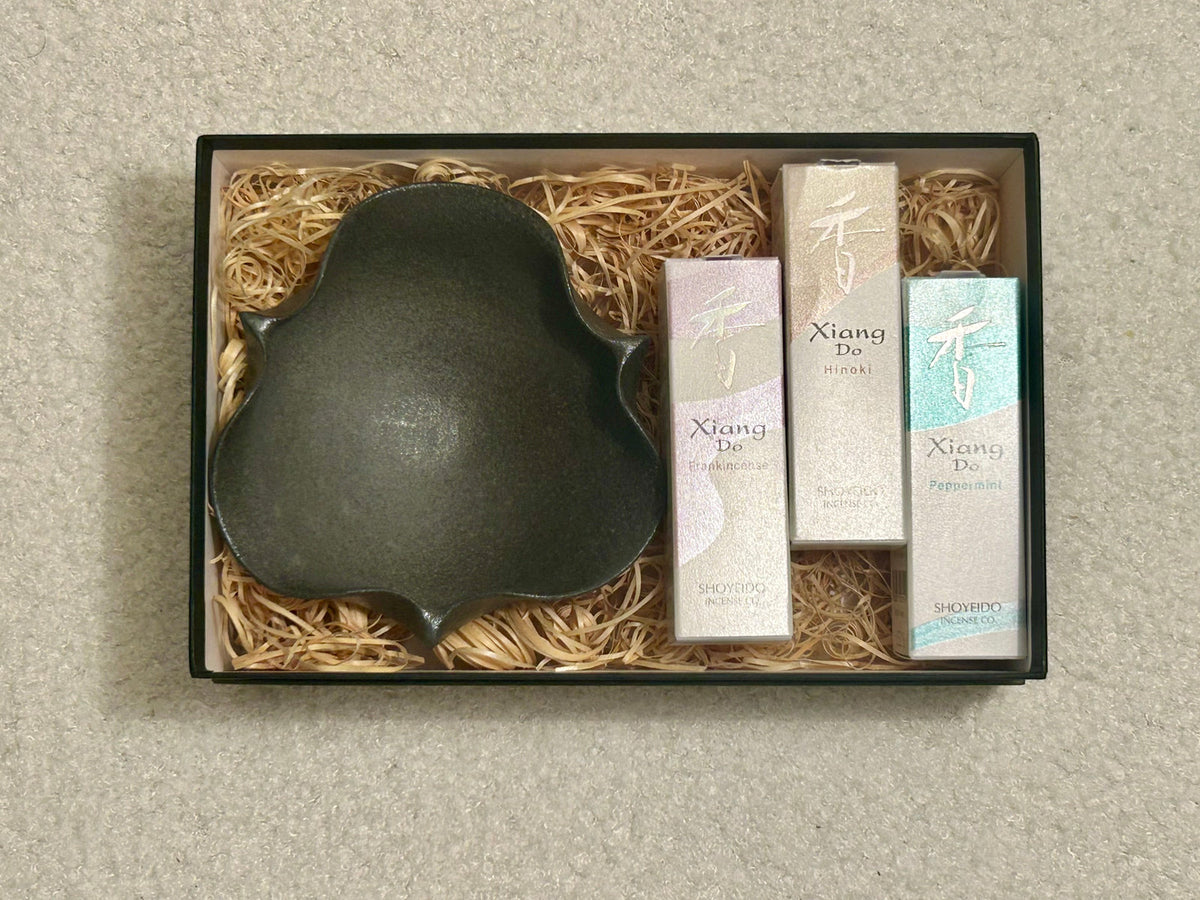
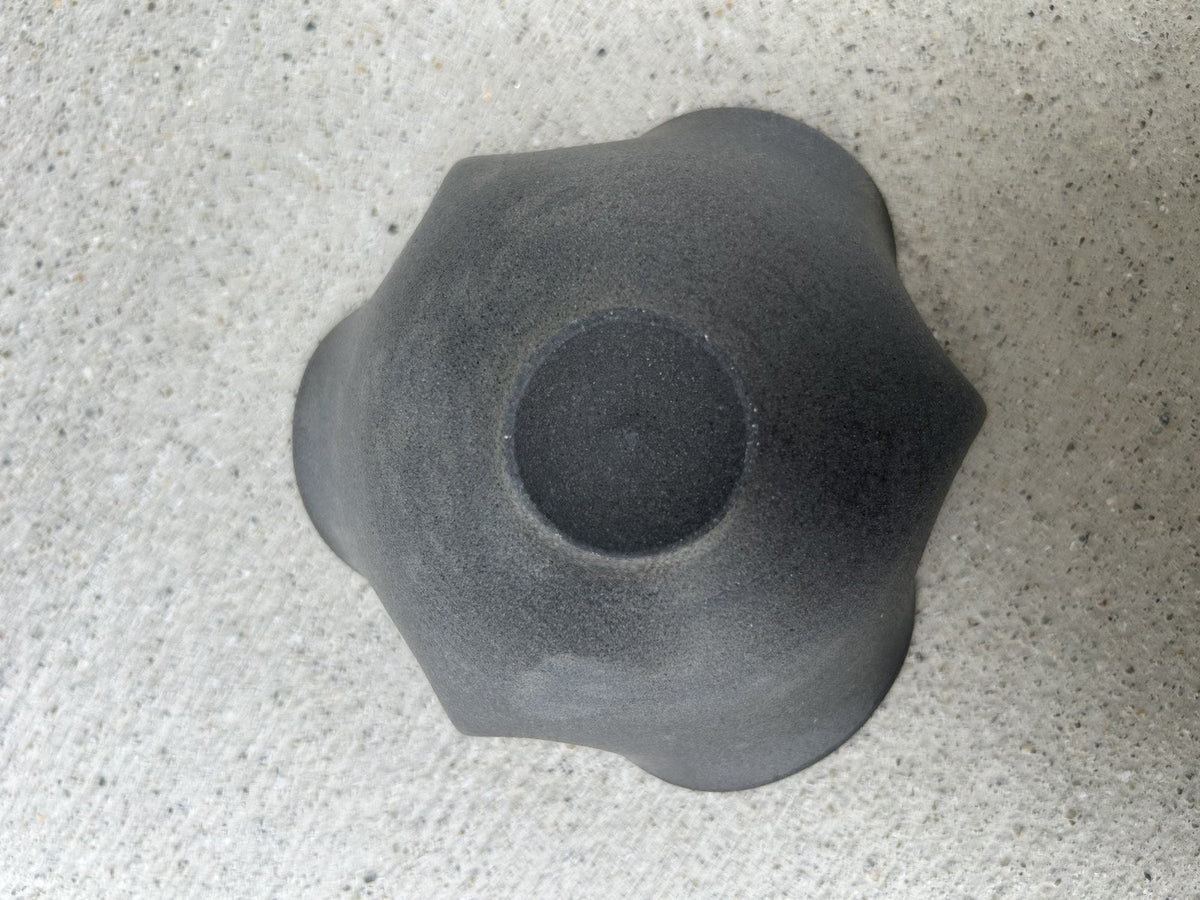
The Suzu Star is a hand-formed Suzu-yaki incense plate made in the Noto Peninsula for one stick or cone. Its dark, unglazed surface is intentionally quiet; the plate’s task is practical—to catch ash—while its handmade character gives the everyday act of lighting incense a little more presence.[1] The guide below keeps the focus on one stick, good placement, fresh air, and an attentive finish.

Suzu-yaki Incense Holder — Suzu Star
1. Prepare the Surface Before the Match
Place the holder on a level, heat-resistant surface with clear space around it. The plate should sit away from loose paper, fabric, dried flowers, shelving, a passing sleeve, and anywhere a child or pet might reach it. Avoid a sill or a place where a breeze can move a curtain toward the burning tip. These are not theatrical precautions: a smouldering stick and the ash it sheds are both fire hazards.[2]
Before lighting anything, make sure the unlit end of the stick is supported securely in the holder as intended and that the full path of falling ash will land on the Suzu-yaki plate. If a particular stick does not stand firmly or the ash would miss the plate, stop and use an appropriate holder or insert designed to secure it; do not prop a lit stick against an object or rely on an unstable arrangement. The aim is not to make the setup look perfect. It is to make it dependable.
Give yourself a simple stop rule before you begin: if the stick tilts, ash falls beyond the plate, or a new draft appears, extinguish it, let everything cool, and reset the arrangement. Do not try to adjust a burning stick while it is in use. Starting again takes only a moment and keeps the ritual intentional rather than hurried.
2. Light One End, Then Let It Smoulder
With the stick seated and the surface clear, light only the tip. Let the flame take briefly, then gently extinguish it so that the incense smoulders rather than burns with an open flame. Place it in the prepared holder and take a moment to confirm that it is stable. Keep your face and clothing away from the lit end, and keep the plate where you can see it. A single stick is sufficient for a small room; there is no need to create a dense cloud of fragrance.
For a clear, wood-led choice, Xiang Do Hinoki for a single, fresh cypress note is a 20-stick Shoyeido selection. Its short 2.75-inch sticks make it a practical scale for a brief everyday pause.[3] When choosing a scent, think less about a promised mood and more about the room: its size, airflow, and the moment you want to mark.
3. Keep the Room Open and the Ritual Visible
Fresh air matters. Incense smoke is still smoke, so leave a window slightly open or otherwise ensure ventilation; do not intentionally breathe it in.[2] A holder beside an open doorway or a calm, ventilated corner is usually more useful than a sealed room. Keep the stick in sight from the moment it is lit until it is completely out. Do not take it to bed, leave home, start a shower, or move on to a task that takes you away from it.
This attention is part of the object’s value. A handmade holder does not make a flame harmless, but it gives the act a proper place. The Suzu Star’s unglazed stoneware plate is made by Takanori Kizawa (木澤孝則), and each one varies slightly with the hand and firing. Read Choosing Your Xiang Do: Frankincense, Hinoki, or Peppermint for a scent comparison, or Woody Japanese Incense: Hinoki, Sandalwood & the Six Precious Woods for context on wood notes and formal fragrance vocabulary.
4. Let the Ash Cool Before You Clear It
When the stick has finished, leave the plate undisturbed until the ash and holder are fully cool. Then dispose of the ash safely and wipe the surface with a soft, dry cloth. If the plate needs rinsing, do so gently and dry it completely; harsh detergents and dishwashers are not recommended for Suzu-yaki.[1] This modest care protects the material and makes the next use uncomplicated.
The best incense routine is not an elaborate performance. It is one stick, one stable plate, a little fresh air, and enough time to notice the change in the room. For a concise home setup, the Suzu-yaki Incense Holder — Suzu Star for safely catching ash gives a handmade object a clear job to do.

Give one stick a proper place.
Explore handmade Suzu-yaki holders for a simple, attentive incense ritual. Ships worldwide.
Explore Incense Holders