The Noto Peninsula: Japan's Hidden Craft Heartland

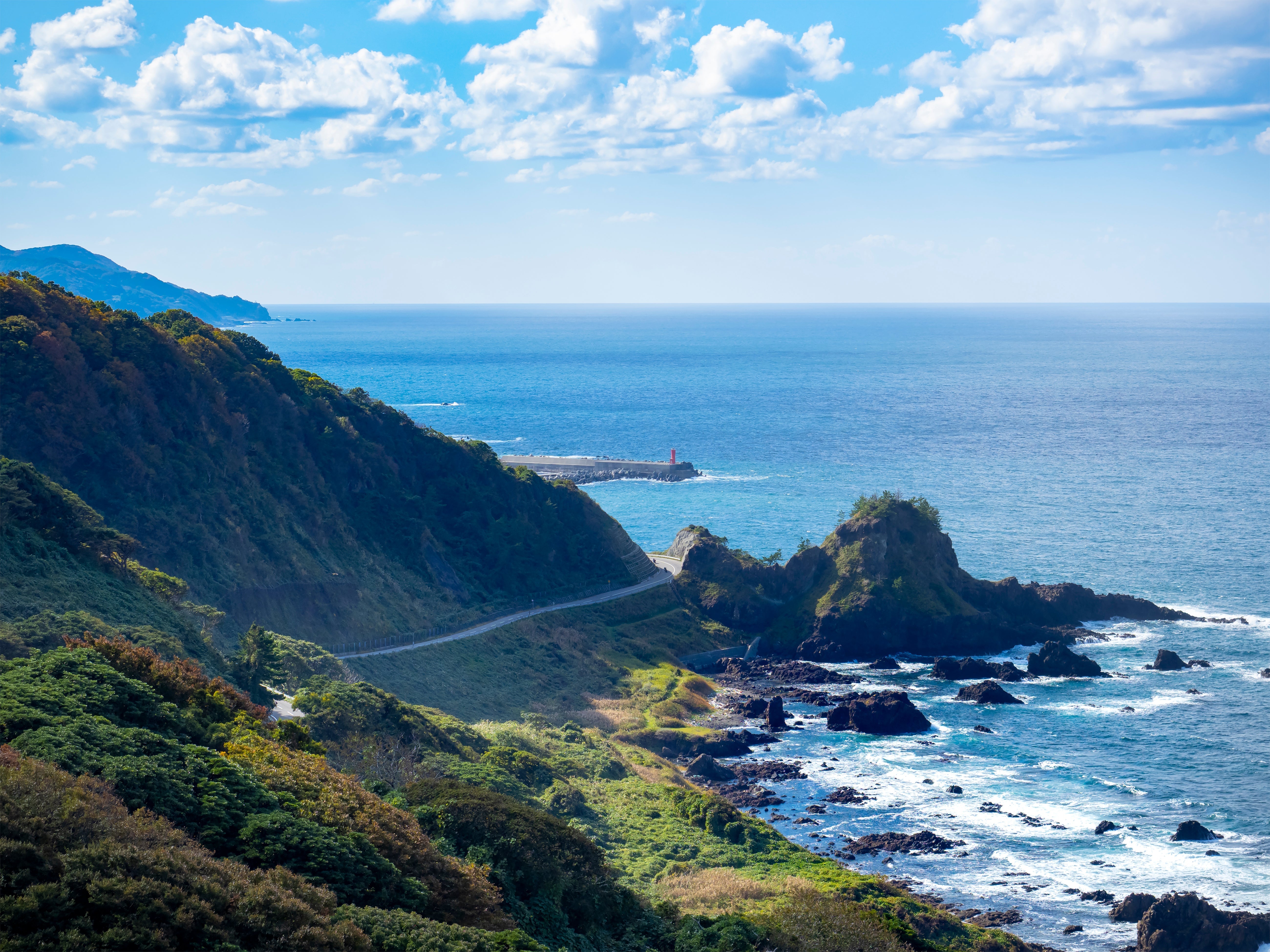
Jutting out into the dramatic waters of the Sea of Japan, the Noto Peninsula (能登半島) in Ishikawa Prefecture is a place where time seems to move at a different pace. Far from the neon-lit streets of Tokyo or the bustling temples of Kyoto, this rugged, secluded region has quietly preserved some of Japan's most profound cultural and artisanal traditions. It is a sanctuary of satoyama (terrestrial landscapes) and satoumi (marine landscapes)—a harmonious coexistence between humanity and nature that has been recognized globally for its heritage.
For centuries, the Noto Peninsula has been a hidden heartland of Japanese craftsmanship. From the meticulous layering of Wajima lacquerware to the elemental beauty of Suzu-yaki pottery, the artisans of Noto do not merely create objects; they forge tangible connections to the earth, the sea, and the generations that came before them.
A Landscape Forged by Fire and Water
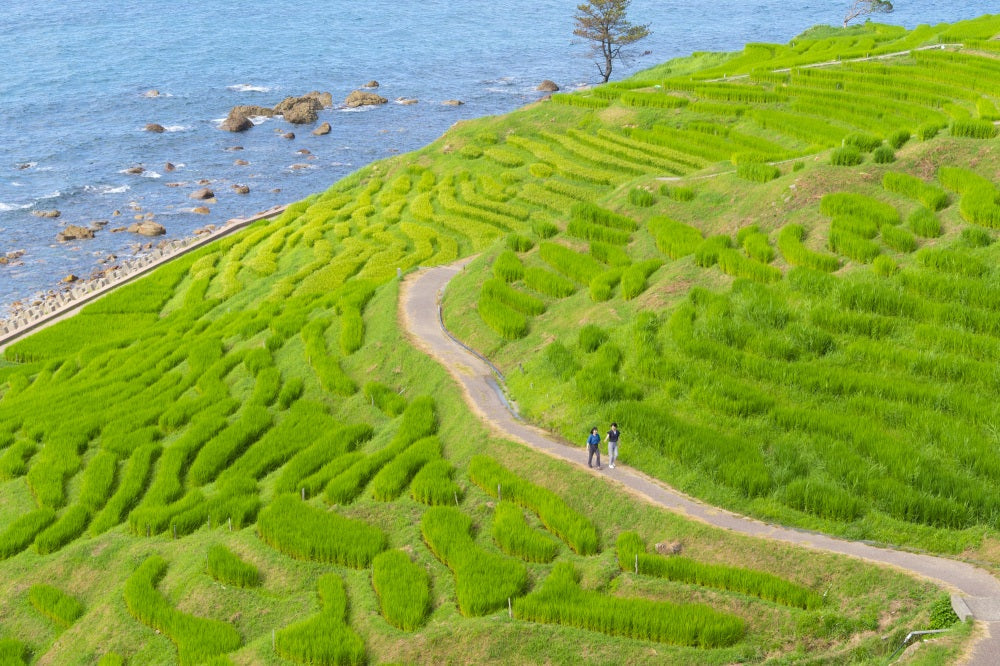
To understand the crafts of the Noto Peninsula, one must first understand its geography. The peninsula stretches approximately 100 kilometers north into the sea, characterized by dramatic cliffs, terraced rice paddies (such as the famous Shiroyone Senmaida), and dense, ancient forests. This isolation has been both a challenge and a blessing. While it kept the region shielded from rapid modernization, it also fostered a deep reliance on local resources and a resilient, self-sustaining culture.
The natural environment provides the very materials that define Noto's artisanal legacy. The mineral-rich clay found in the hills of Suzu, the sap of the lacquer trees, and the pristine water used in local sake brewing are all gifts of this unique terroir. Here, craftsmanship is not an industry; it is an expression of the landscape itself.

The Masterpieces of Noto: Wajima-nuri and Suzu-yaki
The Noto Peninsula is home to several traditional crafts, but two stand out for their historical significance and breathtaking beauty: Wajima-nuri (lacquerware) and Suzu-yaki (pottery).
Wajima-nuri: The Pinnacle of Lacquer Art
Produced in the northern city of Wajima, Wajima-nuri is widely considered the zenith of Japanese lacquerware. The process is astonishingly labor-intensive, often involving over a hundred distinct steps and taking months—or even years—to complete a single piece. Artisans apply multiple layers of natural lacquer over a wooden base, reinforcing fragile edges with cloth and mixing the base coats with a special local diatomaceous earth called ji-no-ko. This meticulous technique results in vessels that are not only exquisitely beautiful, with deep, lustrous finishes, but also incredibly durable.
Suzu-yaki: The Elemental Beauty of Unglazed Clay
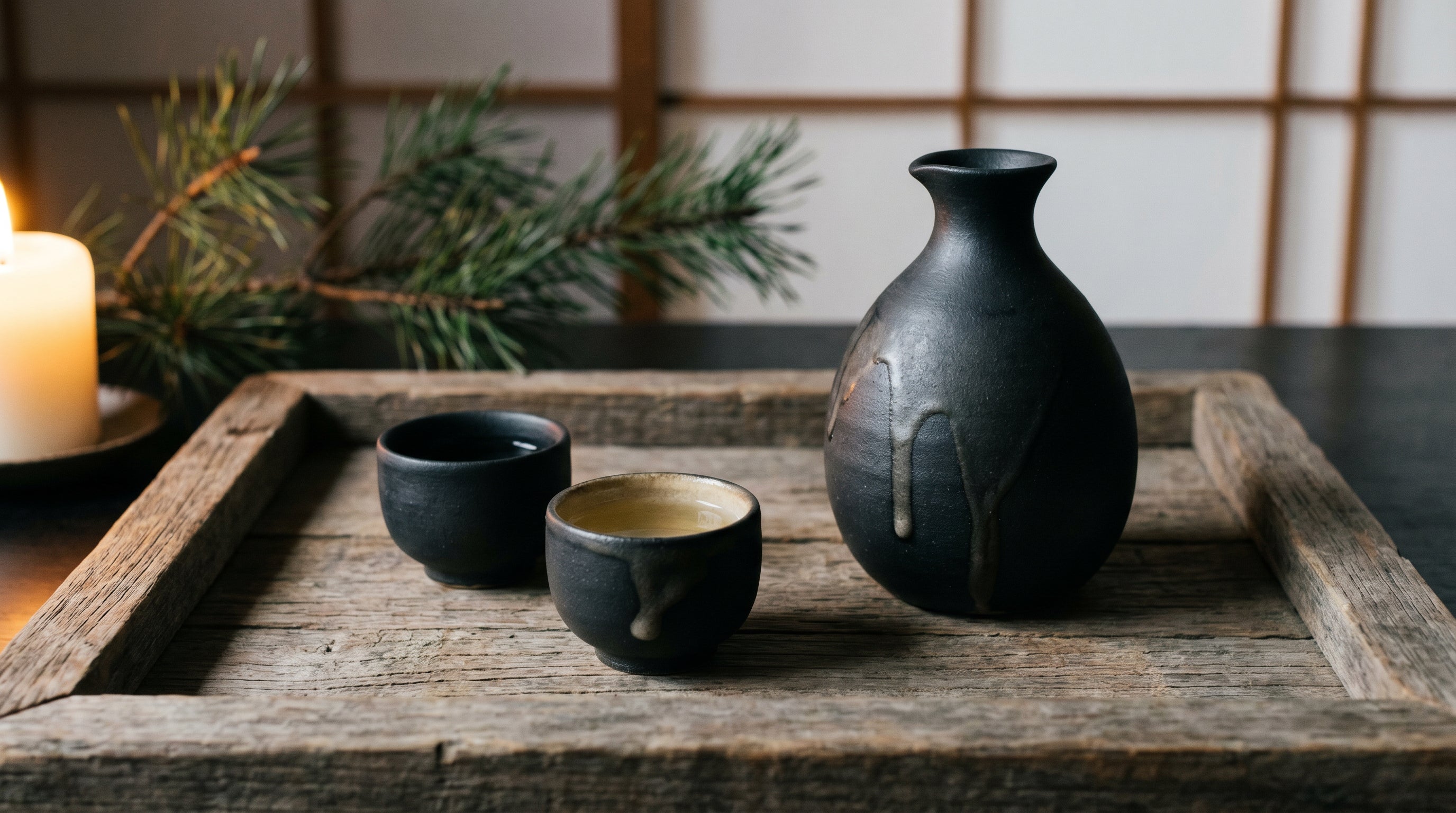
In stark contrast to the polished perfection of Wajima-nuri is the raw, elemental allure of Suzu-yaki. Originating in the city of Suzu at the very tip of the peninsula during the 12th century, Suzu-yaki is a form of unglazed stoneware. The pottery is fired in an anagama (tunnel kiln) at extreme temperatures exceeding 1,200°C. During the final stages of firing, the kiln is sealed, starving the fire of oxygen. This reduction firing process causes the iron in the local clay to turn a distinctive, smoky charcoal-gray or black.

The Philosophy of Wabi-Sabi in Everyday Life
What makes the crafts of the Noto Peninsula so compelling is how perfectly they embody the Japanese aesthetic philosophy of wabi-sabi—the appreciation of beauty that is imperfect, impermanent, and incomplete. A Suzu-yaki vase, with its asymmetrical form and ash-dusted surface, does not shout for attention. Instead, it quietly grounds a room, inviting contemplation and a sense of calm.
These items were never intended to be kept behind glass in a museum. They were made to be used. The true beauty of a Suzu-yaki tea bowl or a Wajima-nuri soup bowl is revealed through daily interaction. As you hold a Suzu-yaki cup, you can feel the texture of the earth; as you use it over the years, the oils from your hands and the tea it holds will subtly change its patina, making it uniquely yours.
Resilience and the Future of Noto's Crafts
The story of Noto's craftsmanship is also a story of profound resilience. Suzu-yaki, for instance, completely disappeared in the late 15th century, only to be miraculously revived in 1976 by dedicated artisans who rediscovered the ancient kiln sites. More recently, the devastating Noto earthquake of January 2024 brought unprecedented challenges to the region, damaging workshops, destroying kilns, and shattering countless ceramic and lacquer pieces.
Yet, the spirit of the Noto artisans remains unbroken. Just as broken pottery is repaired with gold in the art of kintsugi, the craft communities of the peninsula are rebuilding, piece by piece. By choosing to bring a piece of Suzu-yaki or Wajima-nuri into your home, you are not merely acquiring a beautiful object; you are supporting a living, breathing tradition and standing in solidarity with the resilient artisans of this hidden heartland.
Bring the Spirit of Noto into Your Home
Experience the grounding beauty and ancient heritage of authentic Suzu-yaki pottery. Each piece is a testament to the resilience and artistry of the Noto Peninsula.
Explore the Collection


%20in%20Ishikawa%20Prefecture%20is%20a%20place%20where%20time%20seems%20to%20move%20at%20a%20different%20pace.%20Far%20from%20the%20neon-lit%20streets%20o...)