The Noto Peninsula Earthquake: How the Craft World Is Responding
On January 1, 2024, the Oku-Noto region of Ishikawa Prefecture was struck by a devastating magnitude 7.6 earthquake. The disaster fundamentally altered the landscape of the Noto Peninsula, a region deeply intertwined with traditional Japanese crafts. For the artisans of Suzu-yaki (Suzu ware) and Wajima lacquerware, the earthquake brought unimaginable destruction. Yet, amidst the ruins of kilns and workshops, a profound story of resilience, community, and rebirth has begun to unfold.
The Immediate Impact on Suzu-yaki and Wajima-nuri
The epicenter of the earthquake was located directly under the Noto Peninsula, causing severe damage to the city of Suzu, the historical home of Suzu-yaki. According to reports, all 22 active Suzu-yaki kilns in the city were either completely destroyed or severely damaged. The intricate wood-fired anagama kilns, which take months to build and require precise structural integrity, collapsed under the seismic force.

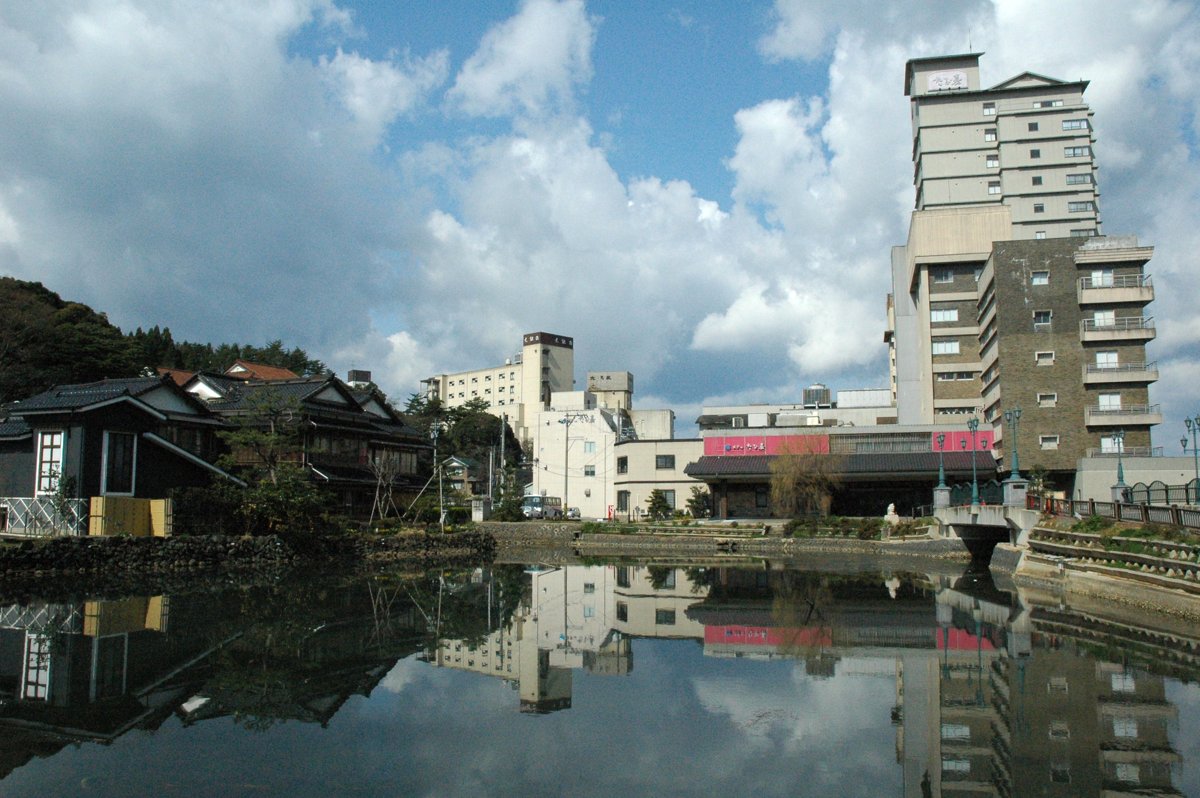
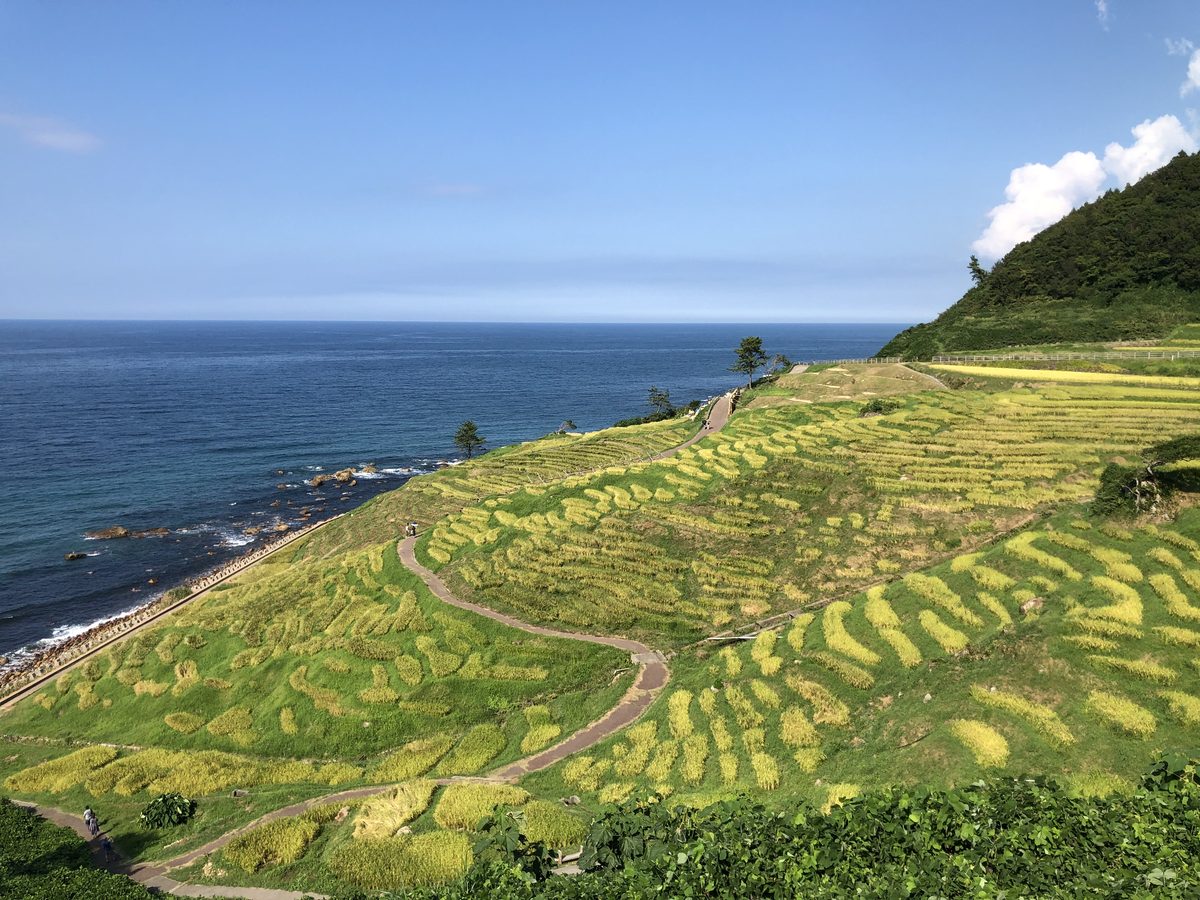
The Noto Peninsula, forever changed by the events of January 2024. (Image via Wikimedia Commons, CC BY 4.0)
Similarly, the neighboring city of Wajima, world-renowned for its urushi lacquerware (Wajima-nuri), saw its historic artisan district decimated. Workshops that had stood for generations were reduced to rubble, and irreplaceable specialized tools were lost. For many artisans, the immediate aftermath was not about craft, but survival, as they were forced into temporary housing while continuous aftershocks rattled the region.
The Spirit of Rebuilding
Despite the overwhelming loss, the spirit of the Noto artisans remained unbroken. The recovery process for Suzu-yaki has been characterized by remarkable community support. Potters began sharing the few surviving facilities, such as the wood-fired kiln at the Suzu City Ceramic Arts Center. By early 2026, eight kilns had been successfully restored, a testament to the dedication of the craftsmen.
One notable story is that of Takashi Shinohara, a prominent Suzu-yaki potter. After rebuilding his kiln following the initial quake, it collapsed again during a severe aftershock. Undeterred, he rebuilt it a second time by May 2025. His resilience was supported by a special grant from JapanCraft21, which not only aided his reconstruction but also funded an apprenticeship program to train the next generation of potters alongside him.

The traditional Anagama kiln, essential for Suzu-yaki, requires immense effort to construct and maintain. (Image via Wikimedia Commons, CC BY-SA 3.0)
Cross-Disciplinary Collaboration and Kintsugi
The tragedy has also sparked unprecedented collaboration across different craft disciplines. When workshops in Wajima were destroyed, artisans from other regions stepped in. CACL Inc., based in Nomi city, offered temporary workspace to displaced Wajima lacquerware artisans, allowing them to continue their work.
Perhaps the most poetic response to the disaster has been the CACL Kintsugi Project. Over 10 tons of broken ceramic shards were collected from the ruined kilns of Suzu and Nomi. Wajima lacquerware artisans then applied the ancient technique of kintsugi—repairing broken pottery with lacquer dusted or mixed with powdered gold—to unite these fragments. This project not only salvaged the ruined ceramics but elevated them into powerful symbols of healing and resilience.
These kintsugi pieces have gained international attention, leading to collaborations with contemporary artists and luxury brands like GIVENCHY PARFUMS, proving that the beauty of Noto's crafts can emerge even stronger from the ashes.
Global Support for Noto's Heritage
The international community has recognized the critical importance of preserving Noto's cultural heritage. The World Monuments Fund included the Noto Peninsula Heritage Sites on its 2025 World Monuments Watch. Projects like the Nanao Earthquake Recovery Project are actively working to restore historic buildings along Ipponsugi Street, supported by global foundations.
The road to full recovery is long, but the artisans of the Noto Peninsula are not walking it alone. Through the preservation of ancient techniques like Suzu-yaki and Wajima-nuri, and the philosophical embrace of wabi-sabi and kintsugi, they are demonstrating that true craftsmanship is not just about creating beautiful objects—it is about the enduring human spirit.
Related reading: For wider context on the landscape that supports Noto’s craft and food traditions, read Noto’s Satoyama and Satoumi.