Suzu-yaki After the 2024 Noto Earthquake: Resilience and Rebuilding

On January 1, 2024, the earth beneath the Noto Peninsula shook with devastating force. The magnitude 7.6 earthquake brought unimaginable destruction to Ishikawa Prefecture, displacing families, leveling historic homes, and fracturing the very foundation of the region's cultural heritage. Among the casualties were the kilns of Suzu City—the birthplace of the ancient and revered Suzu-yaki pottery.
For a craft that had already survived a 400-year disappearance before its miraculous revival in the 1970s, this disaster posed an existential threat. Every single one of the 22 local kilns was destroyed. Yet, from the rubble and ash, a profound story of resilience is emerging. The artisans of Suzu are proving that while clay can break, the spirit of the potter remains unyielding.
The Day the Kilns Fell
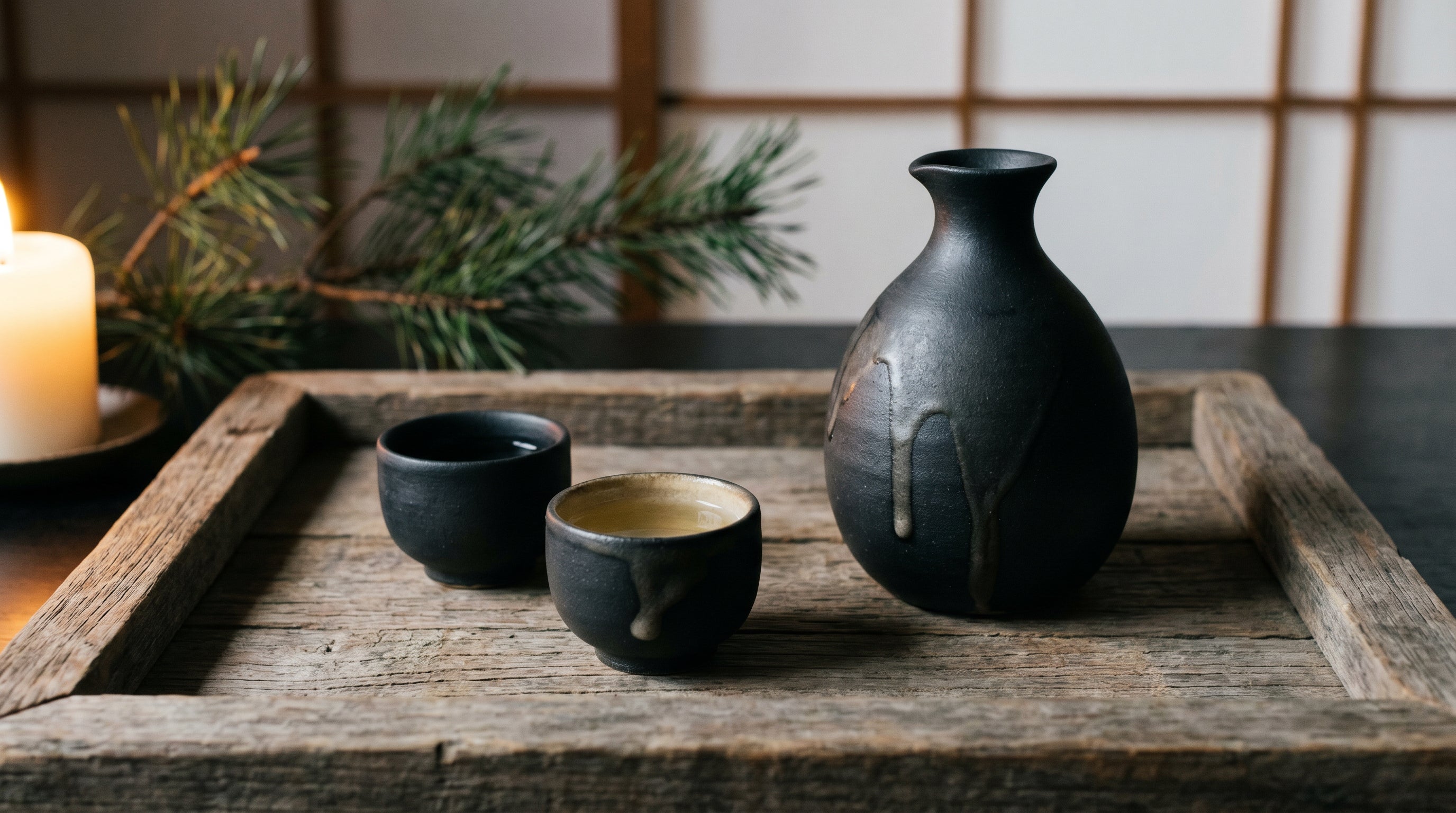
Suzu-yaki is not merely a style of pottery; it is a physical manifestation of the Noto Peninsula's landscape. The dark, unglazed vessels are born from local iron-rich clay and fired for days in massive wood-burning anagama kilns. The ash from the wood melts during the intense heat, creating a natural, unpredictable glaze that makes every piece entirely unique.
When the earthquake struck, the violence of the tremors collapsed the heavy stone and clay structures of the kilns. Workshops were ruined, and countless finished pieces—the culmination of months of labor—were shattered into fragments. At the time of the disaster, eight master potters were actively working with authentic wood-burning kilns. In a matter of minutes, their life's work and their means of creation were reduced to debris.
A Community Forged in Fire
In the immediate aftermath, survival was the only priority. Many artisans were forced to evacuate to temporary housing hours away from their studios. However, as the initial shock subsided, a remarkable transformation began within the Suzu-yaki community.
Historically, pottery in Japan can be a solitary pursuit, with techniques and kiln designs closely guarded by individual masters. The earthquake changed this dynamic entirely. Faced with total devastation, the potters of Suzu began to share resources, knowledge, and facilities in unprecedented ways.
Artisans who had lost everything found themselves working side-by-side at the Suzu City Ceramic Arts Center, utilizing a surviving communal wood-fired kiln while they planned the reconstruction of their own. Master potters like Takashi Shinohara, whose own kiln was completely destroyed, have taken this tragedy as an opportunity to mentor the next generation. With support from organizations like JapanCraft21, Shinohara is rebuilding his kiln as a communal space, teaching younger apprentices the complex, ancient skills required to construct and fire a traditional Suzu kiln.
"I must not neglect to entrust my works with a message of how I should live in this land and what the future of Noto should be after the earthquake disaster. I would like to make the new Suzu Pottery born from it a symbol of the recovery."
The Beauty of the Broken: Kintsugi and Healing
The destruction of so many beautiful ceramics has also brought renewed attention to the Japanese philosophy of kintsugi—the art of repairing broken pottery with lacquer dusted or mixed with powdered gold. Rather than hiding the damage, kintsugi illuminates the fractures, treating the breakage and repair as an integral part of the object's history rather than something to disguise.

This philosophy has become a powerful metaphor for the Noto Peninsula itself. The region is broken, scarred by the earth's violent movements. Yet, through the collective effort of the artisans, the support of the global craft community, and the sheer will to create, Suzu is being repaired. The resulting culture—and the pottery that will eventually emerge from the newly built kilns—will carry the marks of this disaster, making it deeper, more meaningful, and more beautiful.
Looking to the Future
Today, the recovery is ongoing. As of early 2026, several kilns have been painstakingly restored, and the Suzu Pottery Festival has returned, signaling to the world that the craft survives. Relief funds, special exhibitions in Tokyo, and international awareness have provided crucial lifelines to these artisans.
When you hold a piece of Suzu-yaki, you are not just holding a cup or a vase. You are holding the earth of the Noto Peninsula, the ancient wisdom of a thousand-year-old firing technique, and now, the indomitable resilience of a community that refused to let their heritage turn to dust. The fire of Suzu-yaki continues to burn, lighting the way forward.